Language
In recent years, solar energy systems in the Philippines have practically "boomed." From residential homes to shopping malls, schools to factories, rooftop solar has spread across the country—even microgrid projects in remote areas are now installing solar. Market growth is a good thing, but safety regulations have also tightened, especially around a term you’ll hear more and more: Rapid Shutdown (RSD).
Many engineers, property owners, and even grid authorities will ask during acceptance:"Does the system have Rapid Shutdown?"
Why has this suddenly become so important? Why does almost every Philippine solar system need it? Let’s break it down in the simplest terms—so you’ll understand at a glance.

Solar systems have a "natural flaw": persistent high-voltage DC power.Even if the main power is cut off, solar panels continue to output voltage as long as there’s sunlight.
This is extremely dangerous during daytime fires, maintenance, or accidents because:
Rapid Shutdown is the solution:It quickly reduces the voltage from solar panels to a safe level within tens of seconds during emergencies.
In plain language:When danger strikes, press a button to switch the rooftop’s high-voltage DC to "safe mode."
In cities like Manila, Cebu, and Davao, buildings are closely spaced.Many rooftops use lightweight steel structures or flammable materials. If a fire breaks out, high-voltage solar wiring only makes rescue harder.
Rapid Shutdown is the easiest safety measure for the government and industry to implement.
Temperatures in the Philippines often hit 35℃, and rooftop temperatures can easily reach 60–70℃.Combined with high humidity and salt spray, cables and connectors age much faster—greatly increasing the risk of arcing.
Rapid Shutdown minimizes this risk.
Like the US NEC standards, the Philippines is gradually tightening solar safety regulations.Insurers are more willing to cover projects with Rapid Shutdown, and some local regulations even explicitly state:
👉 No Rapid Shutdown = No grid connection + No fire safety approval.
The Philippine solar market is maturing. Property owners are no longer just asking "Can it generate electricity?"—they’re asking "Is it safe, stable, and reliable for over a decade?"
Now, many owners proactively ask:
Thus, Rapid Shutdown isn’t just a legal requirement—it’s also an important "business card" for engineers to prove professionalism and system quality to clients.
While Rapid Shutdown may seem like a simple "power cutoff device," choosing the wrong one can cause major problems, such as:
A truly practical Rapid Shutdown must meet these criteria:✔ Complies with national safety standards (e.g., UL1741, NEC 2017/2020)This is the baseline—ensures the system actually "shuts down" when needed.
✔ Works with mainstream invertersThe Philippine market uses a mix of brands—local engineers know this pain point well.
✔ Resistant to high temperatures, humidity, and salt sprayRooftops are harsh environments; unreliable equipment is a safety hazard.
✔ Easy to install and low maintenanceThe simpler the system, the fewer issues it will have.
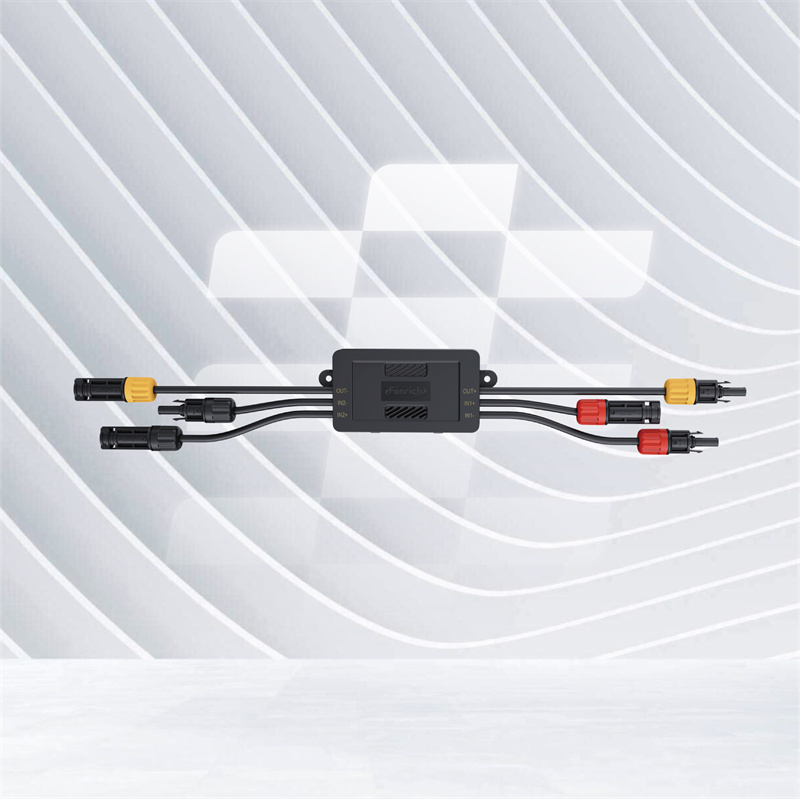
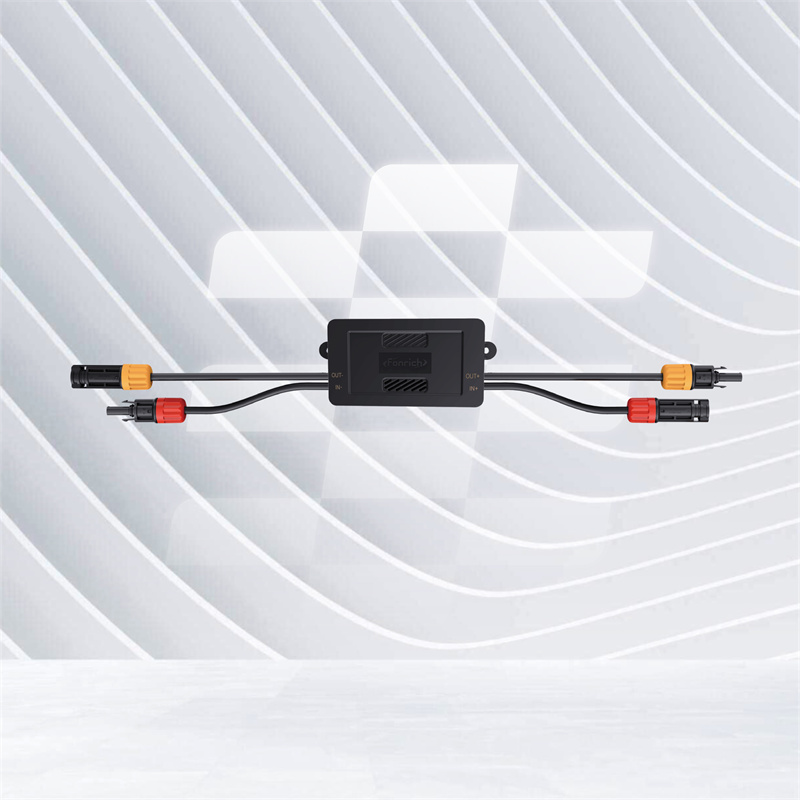
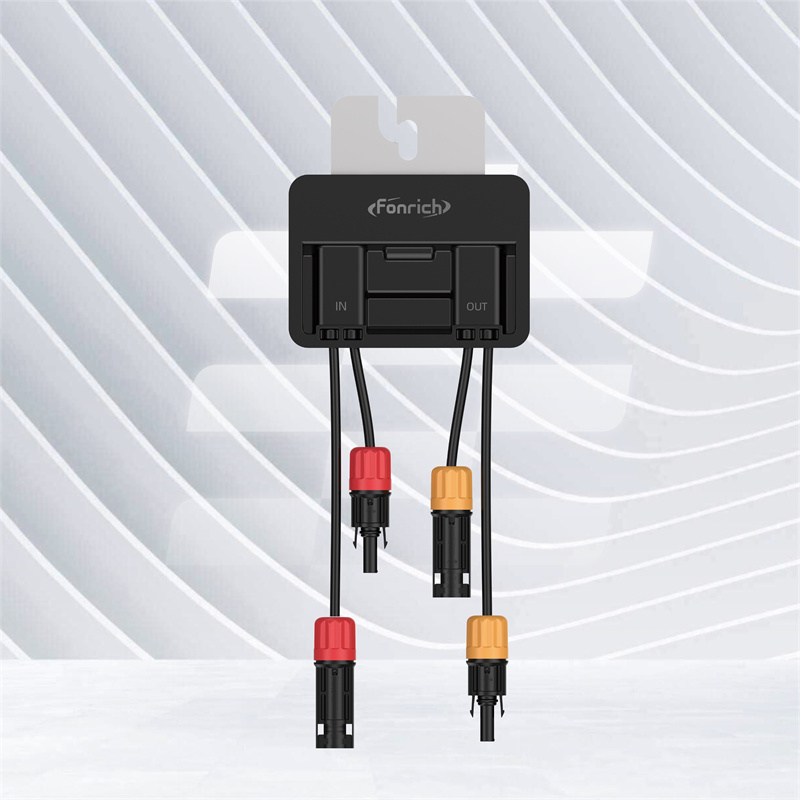
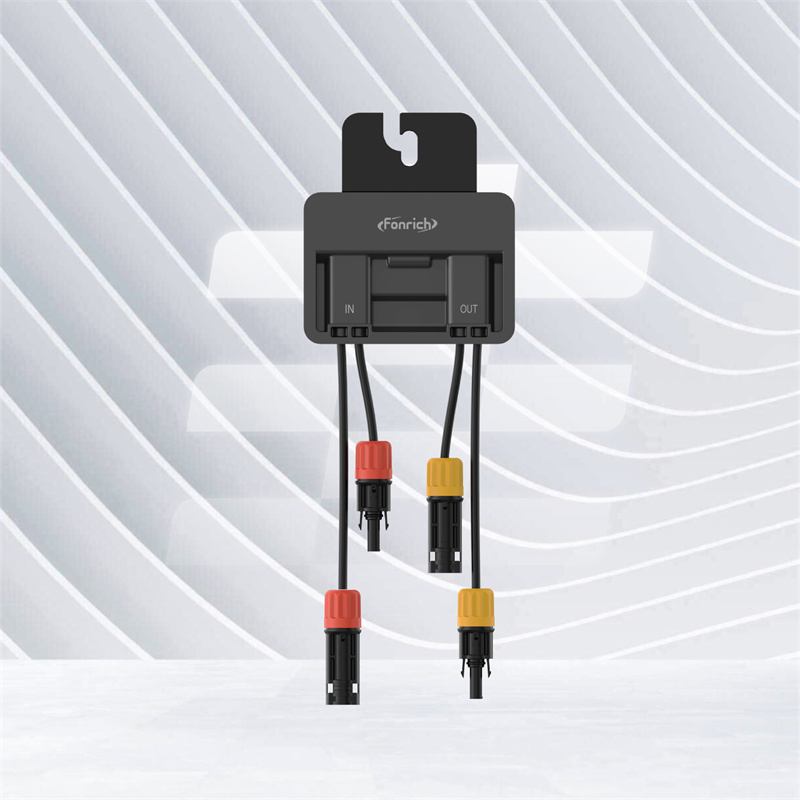
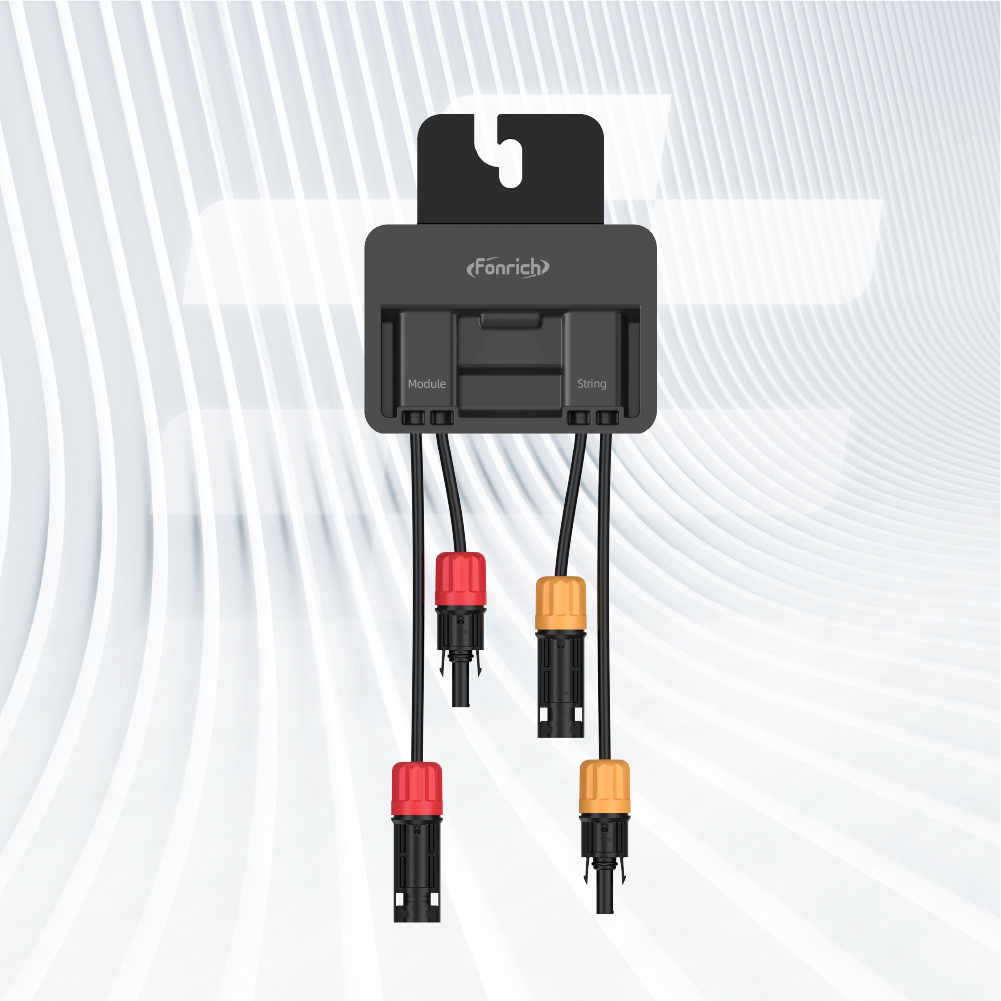
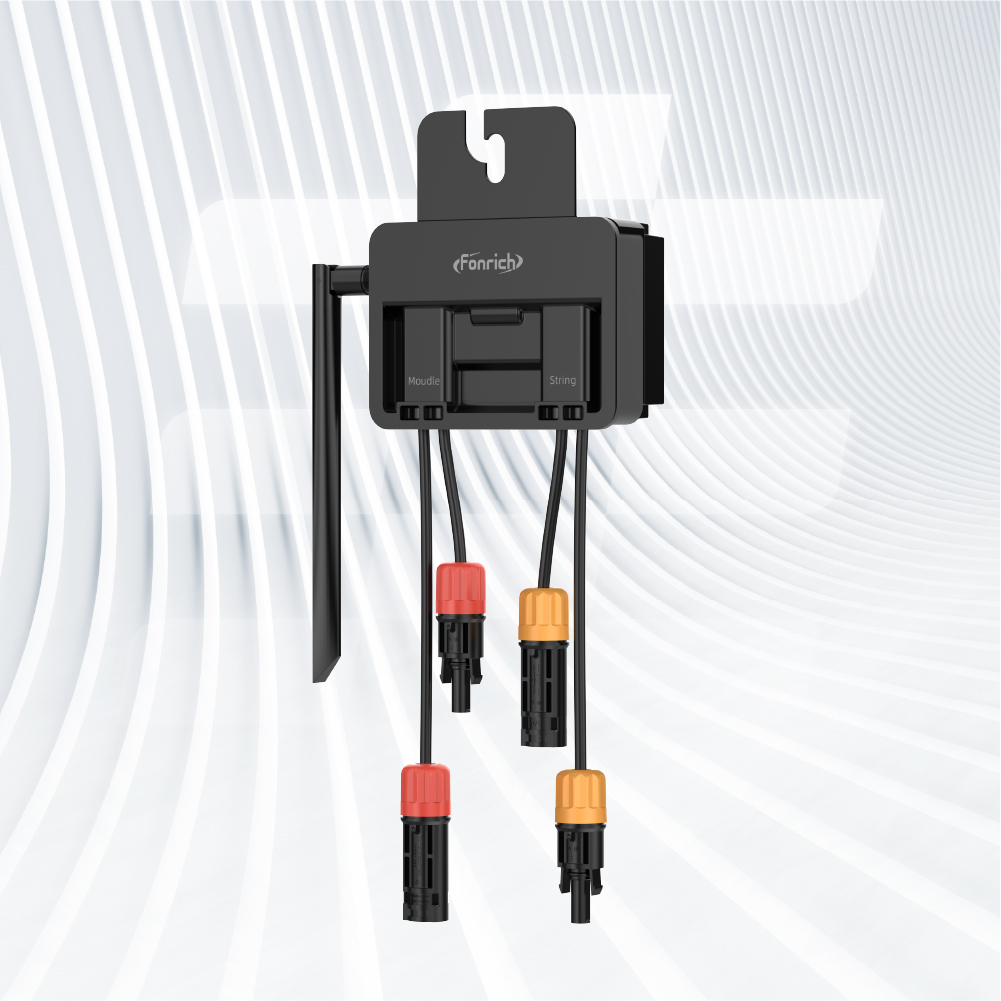
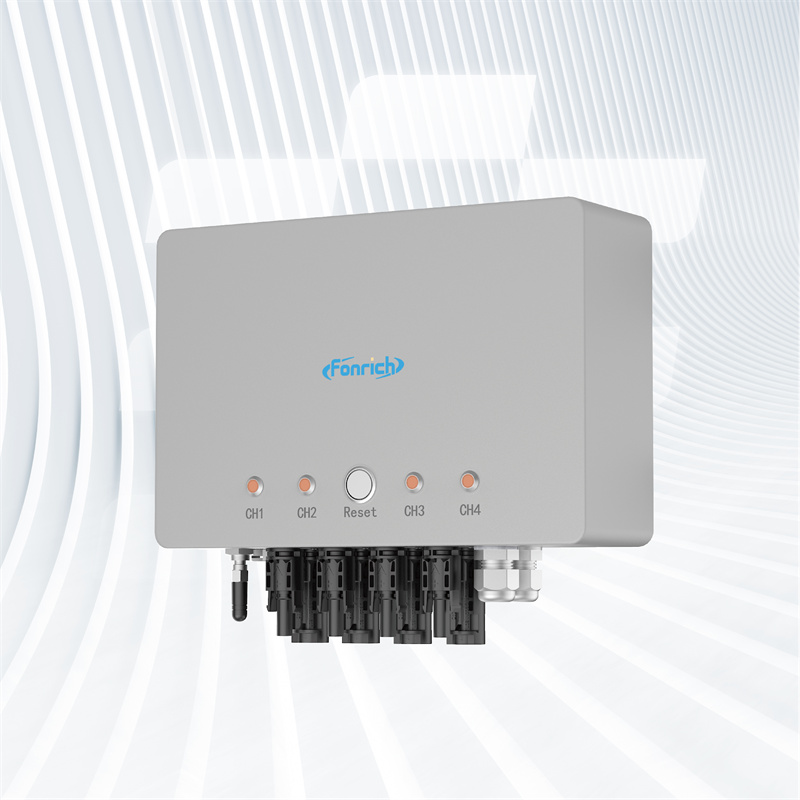
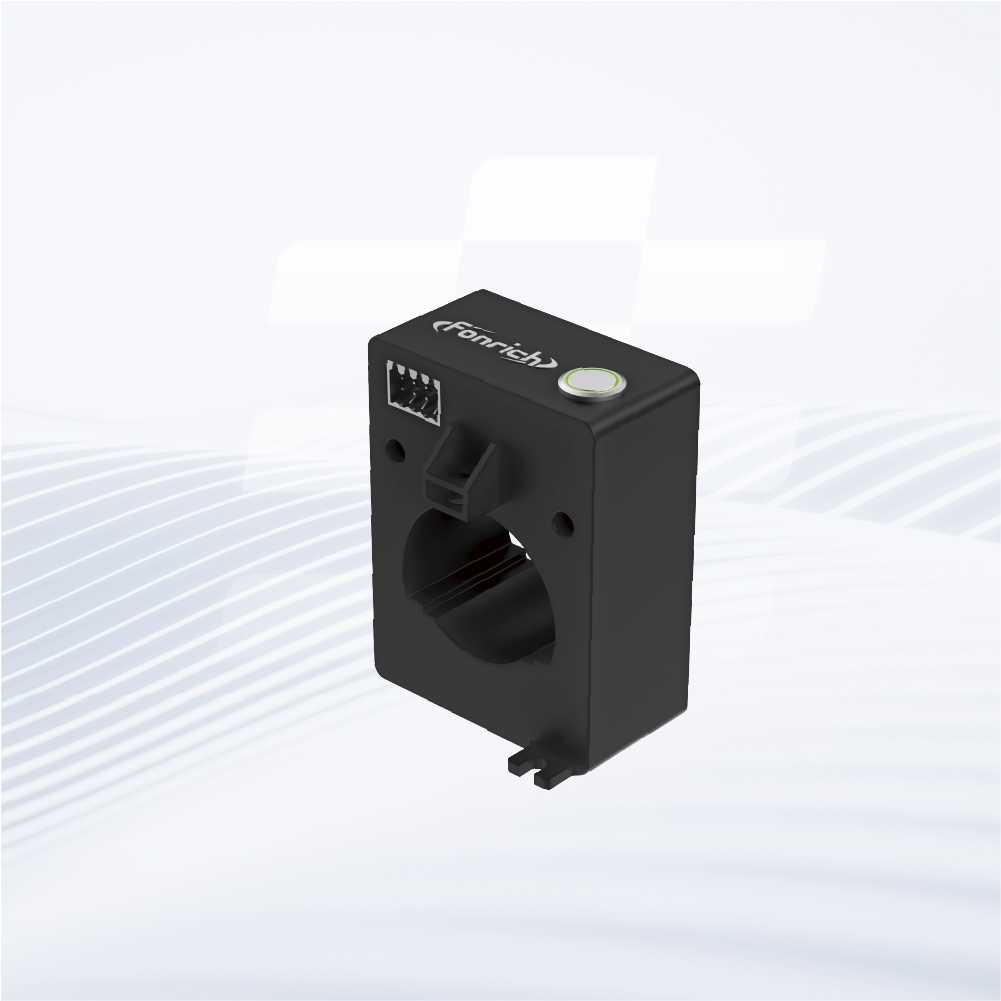
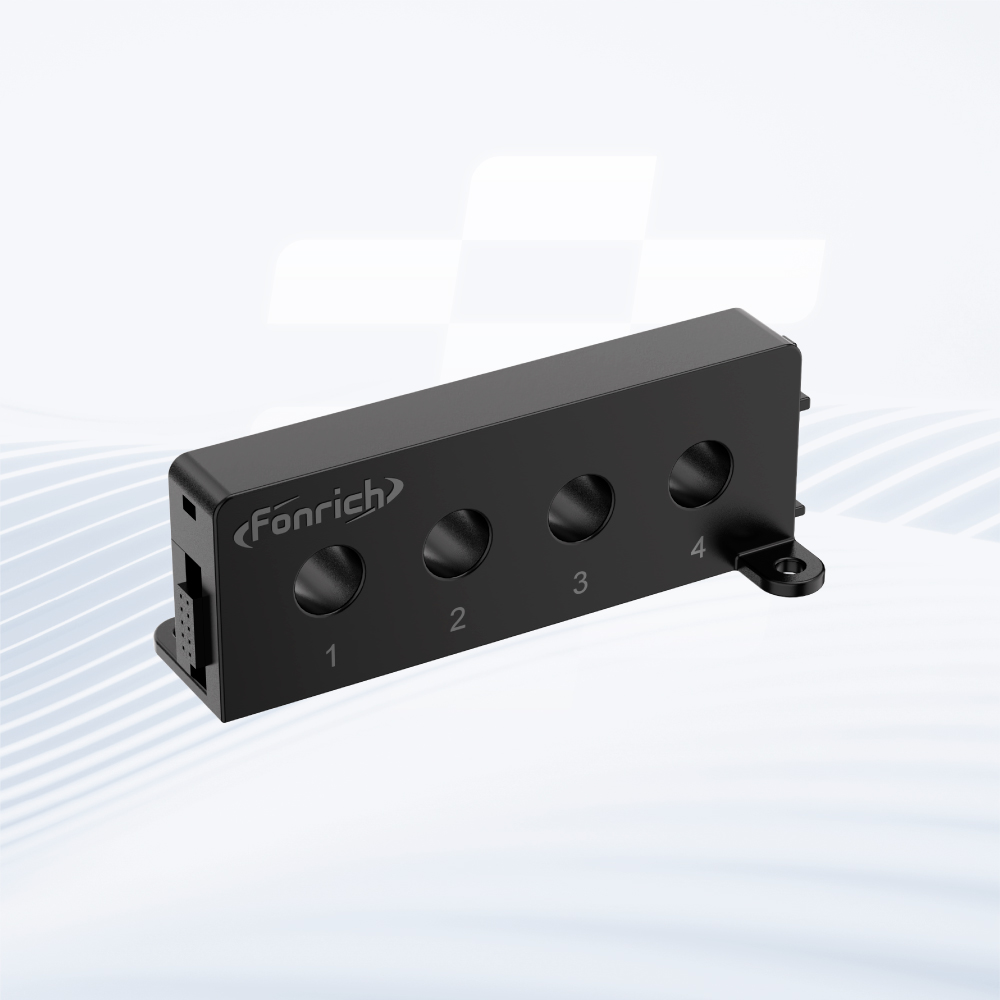
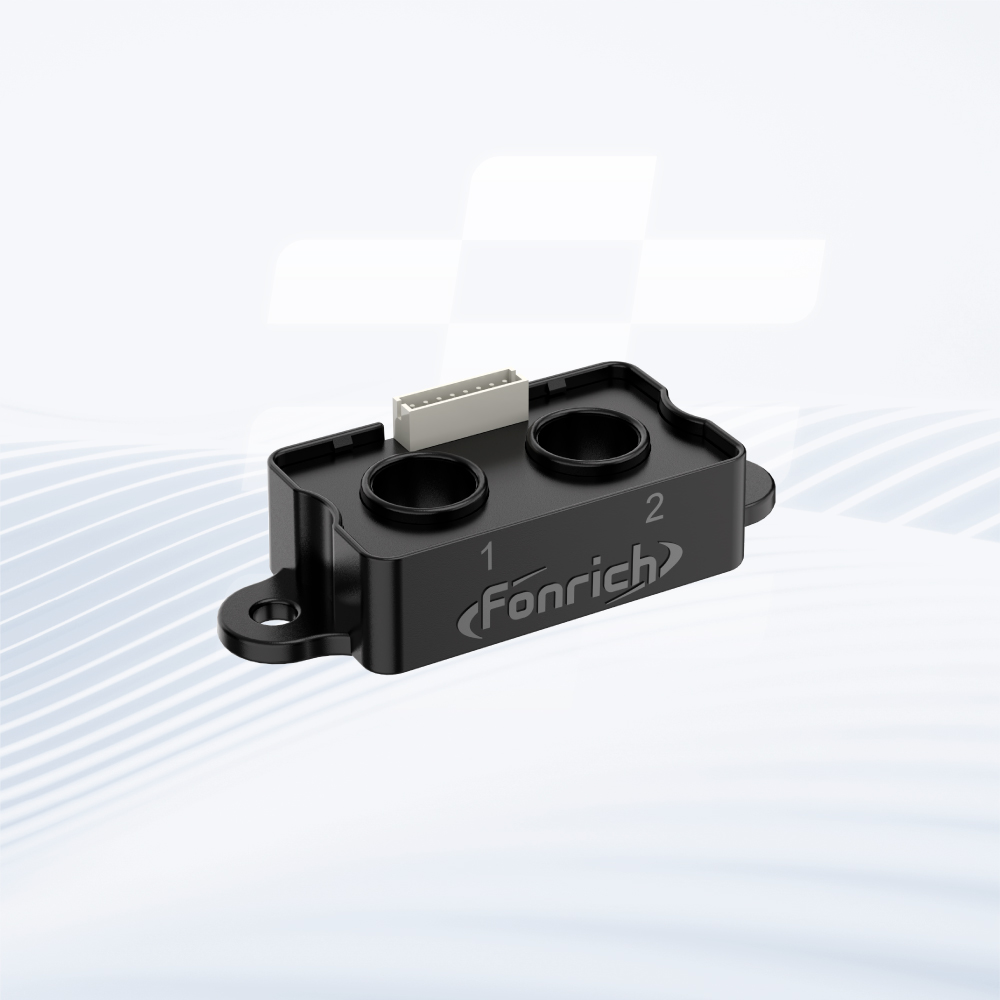
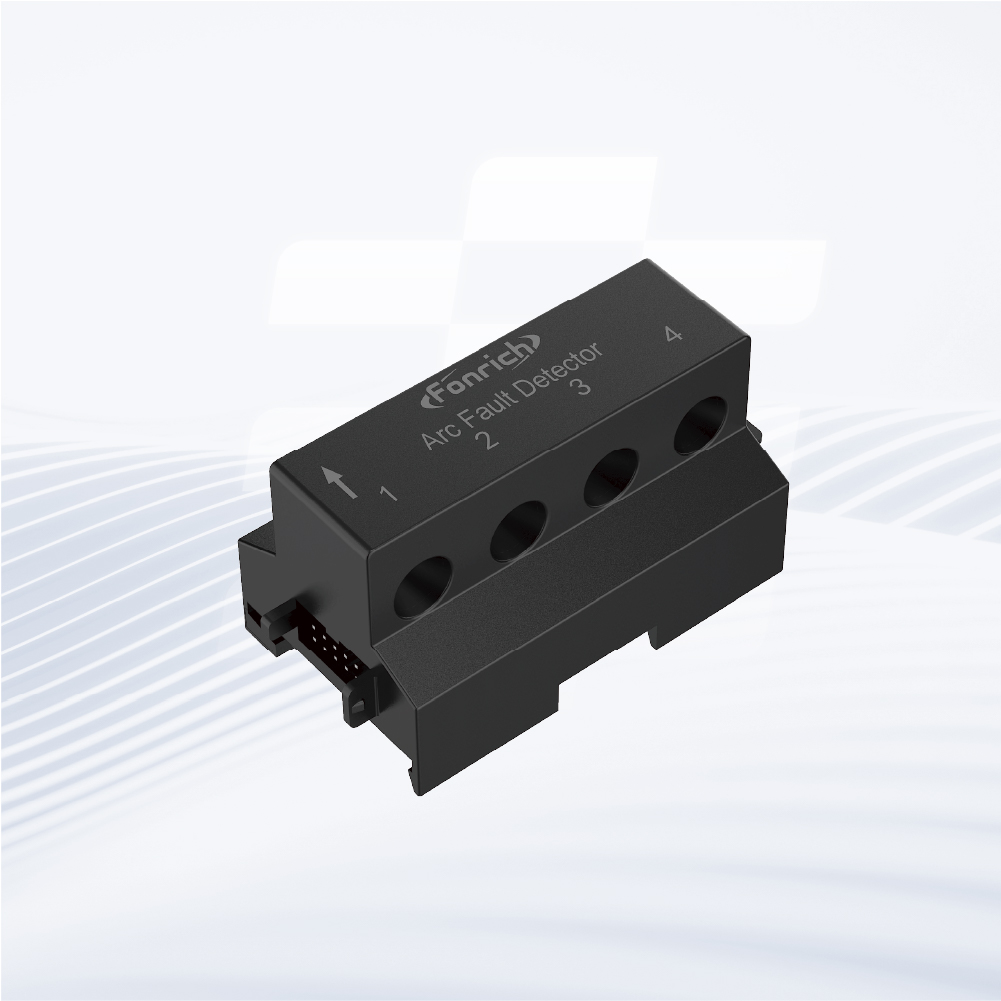
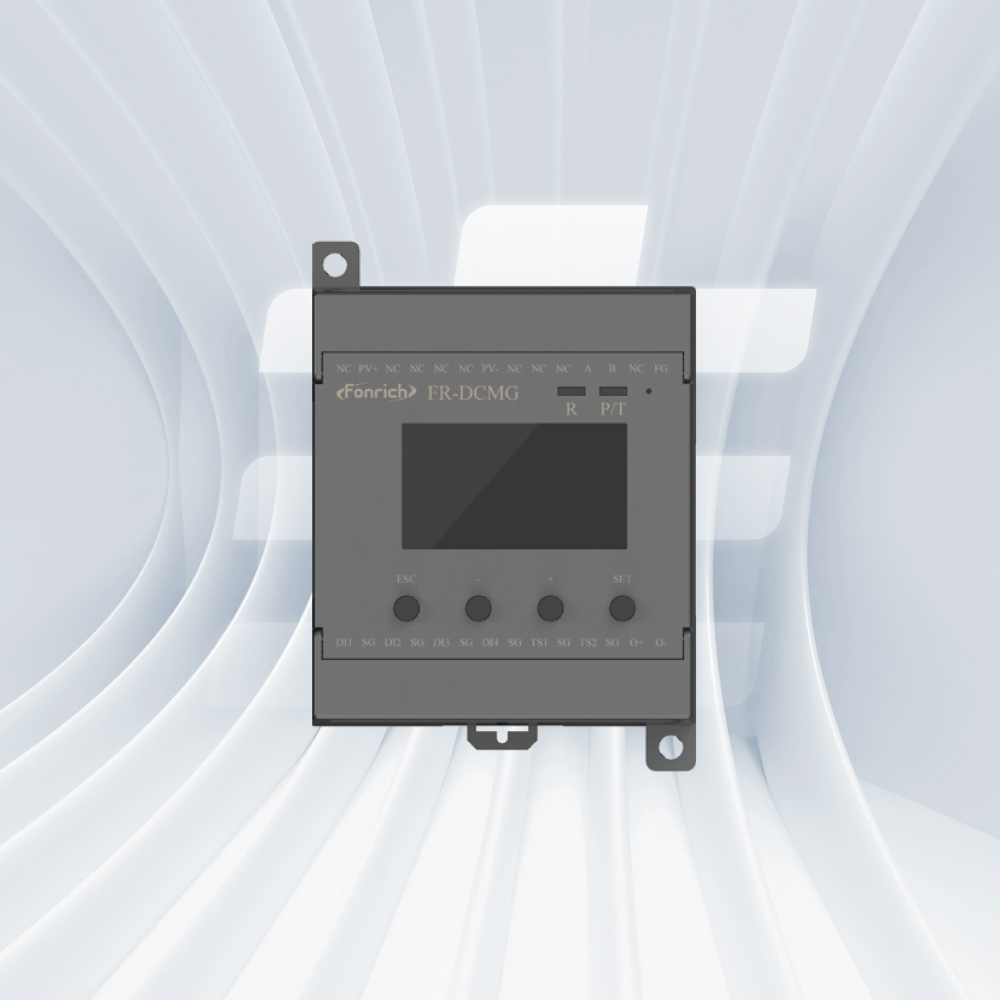
Fonrich has gained popularity in the Philippines over the past two years—not because of ads, but because it’s truly reliable.Engineers consistently cite these reasons:
① Third-party certified for smoother acceptanceComplies with NEC 2017/2020; rigorous testing ensures stability.
② Compatible with most common invertersWorks with Huawei, Growatt, Sofar, GoodWe, SMA, and more—saves endless troubleshooting.
③ Stable performance in high temperaturesPassed long-term high-temperature aging tests; operates reliably on Philippine rooftops.
④ Time-saving installation and low maintenanceEasy for teams to learn; no extra equipment required.
⑤ Proven in global marketsWidely used in European and North American projects—confidence in reliability.
For engineers prioritizing stability, smooth acceptance, and minimal after-sales hassle, Fonrich’s solution is a worry-free choice.
To summarize:
Put simply, Rapid Shutdown is like a car seatbelt:At first, you might think it’s unnecessary—but when you need it, it can save lives.
Why must Philippine solar projects install Rapid Shutdown?To reduce fire and electric shock risks from rooftop high-voltage DC, and it’s a mandatory compliance requirement.
Can Fonrich’s Rapid Shutdown work with common inverters in the Philippines?Yes—supports almost all mainstream brands.
Will Rapid Shutdown affect power generation?Basically no impact on normal operation; it’s a safety system, not a power generation system.
Contact Us