2025-11-30

Philippines Rapid Shutdown Regulations: What PV Installers Must Know

In recent years, the Philippine PV market has been on a steady upward trajectory. From residential rooftops and commercial buildings to industrial zones, solar installations are popping up everywhere. As more projects are deployed, safety has become an increasingly critical concern—making Rapid Shutdown (RSD) a gradual "keyword" in the industry.

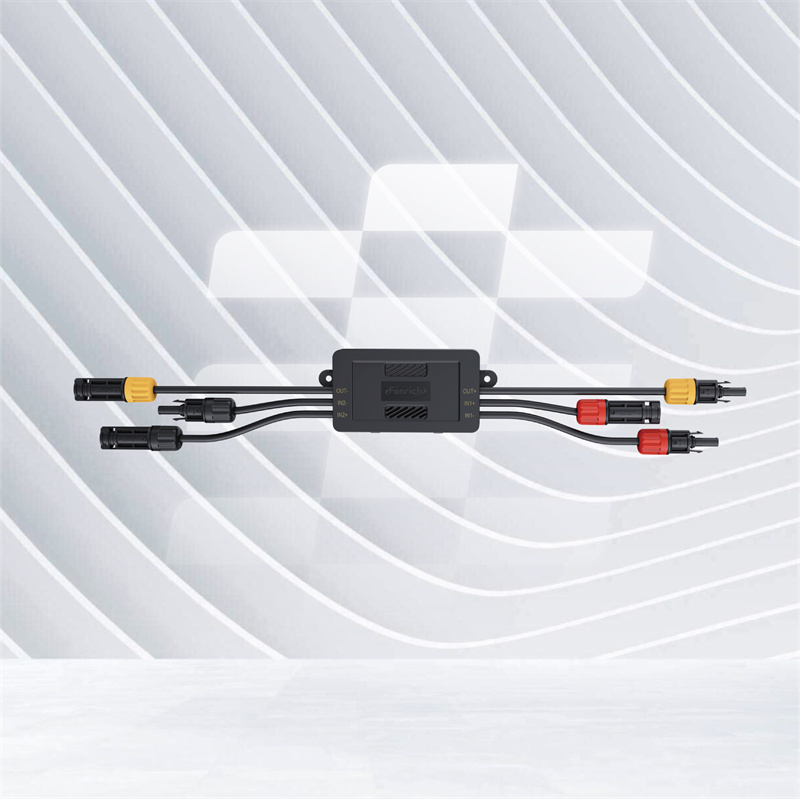
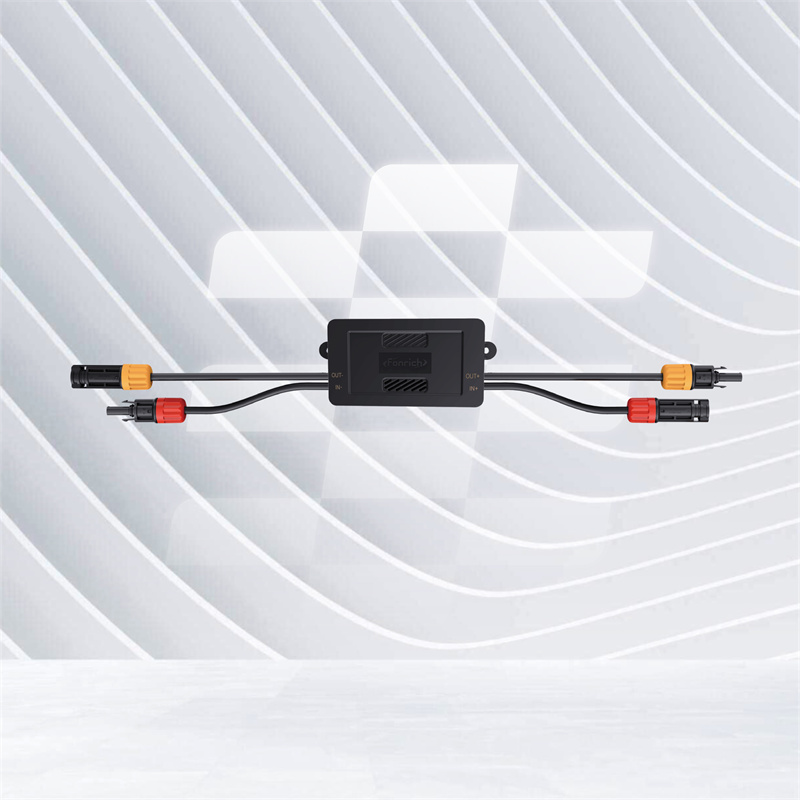
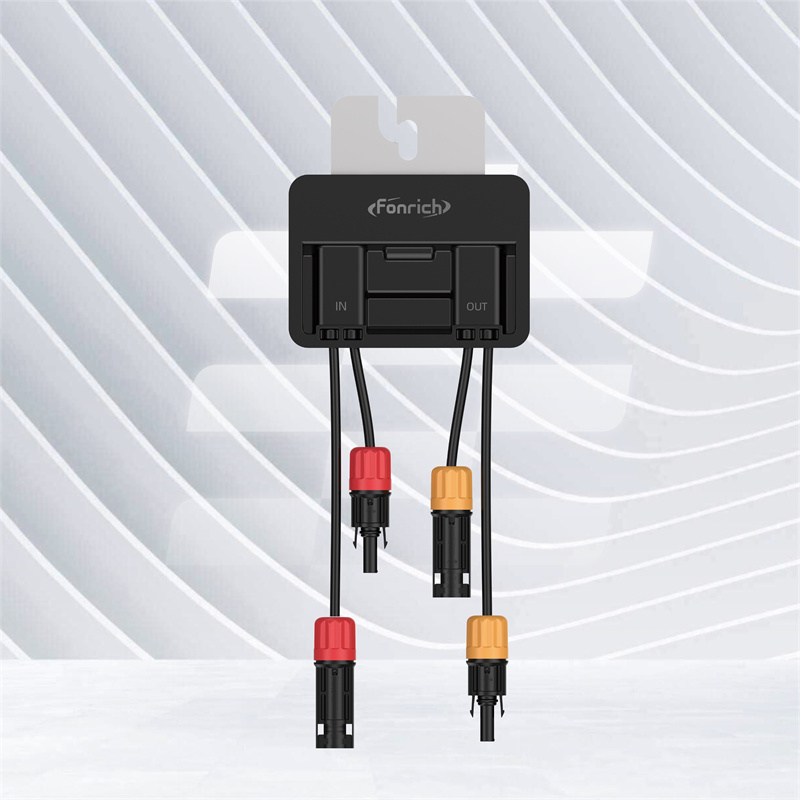
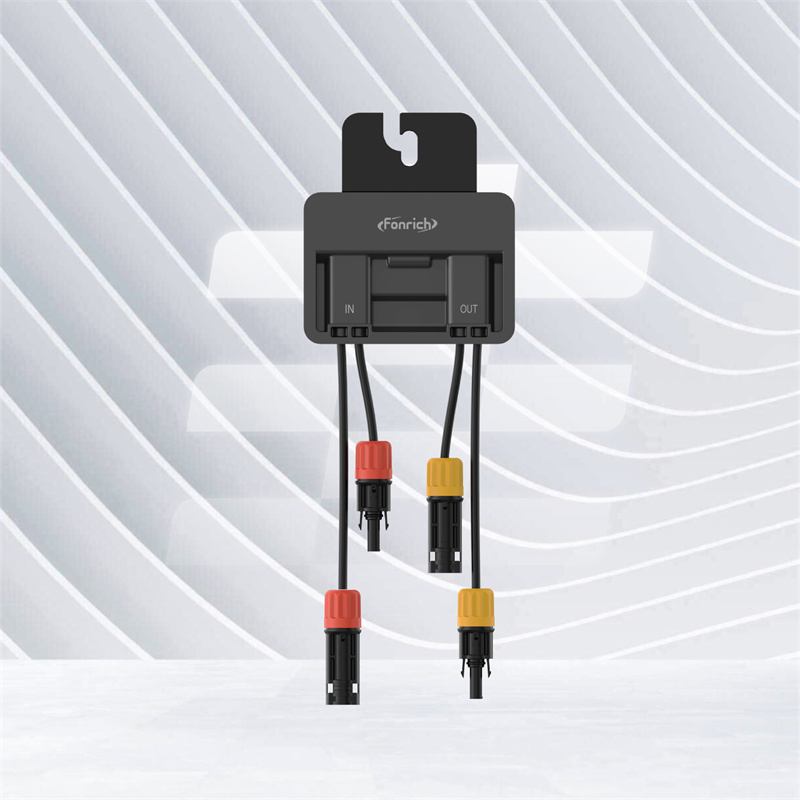
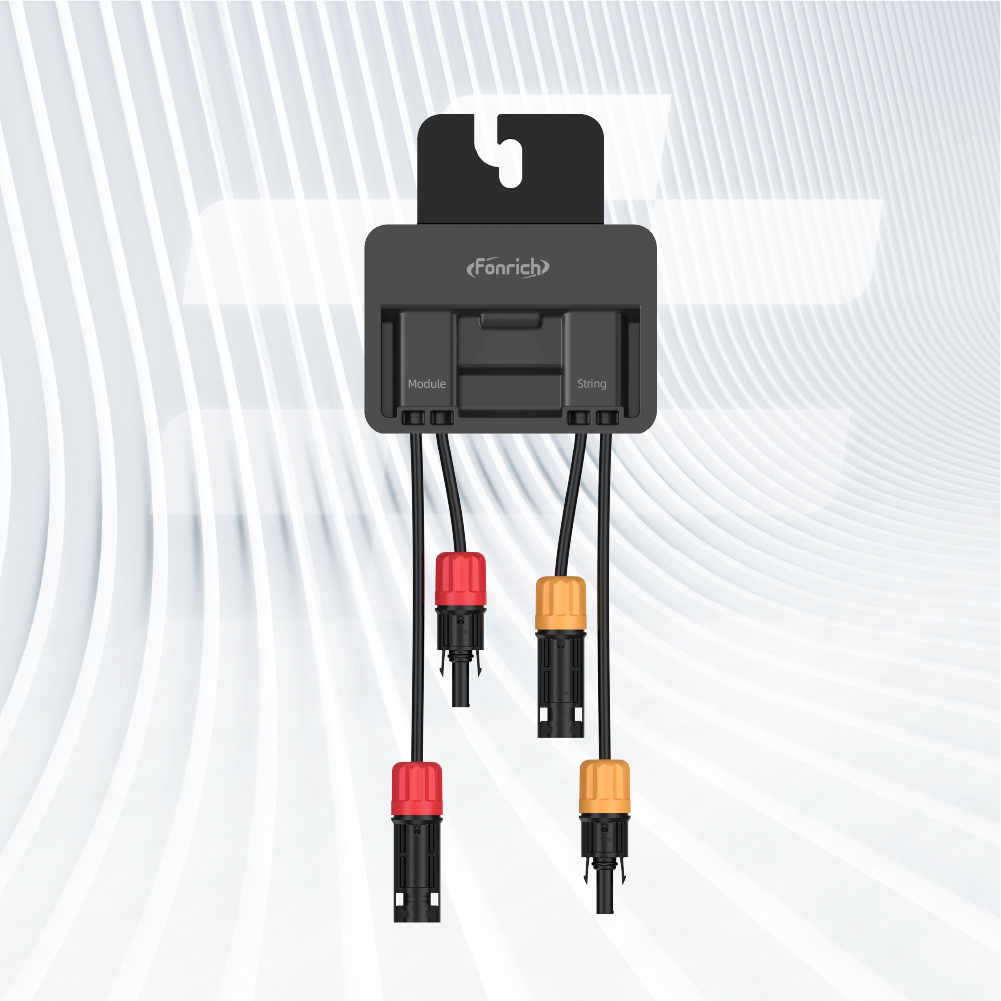
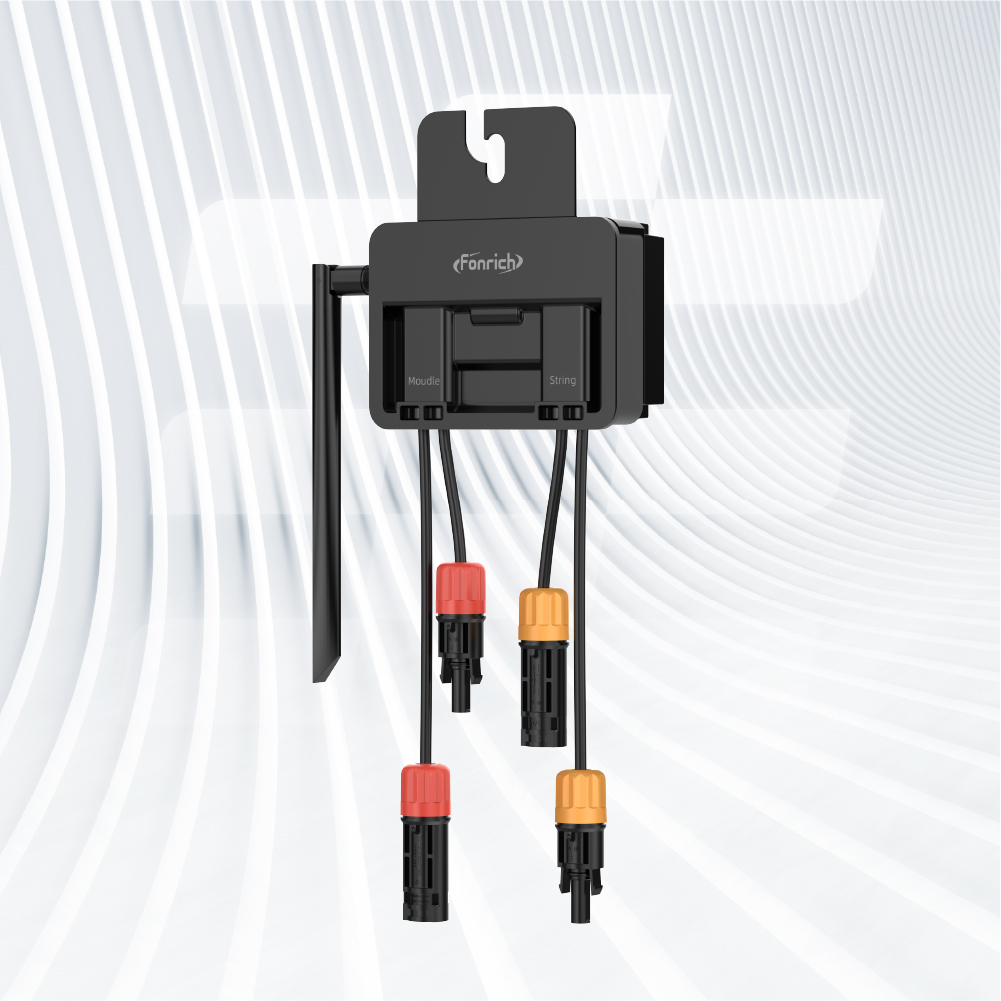
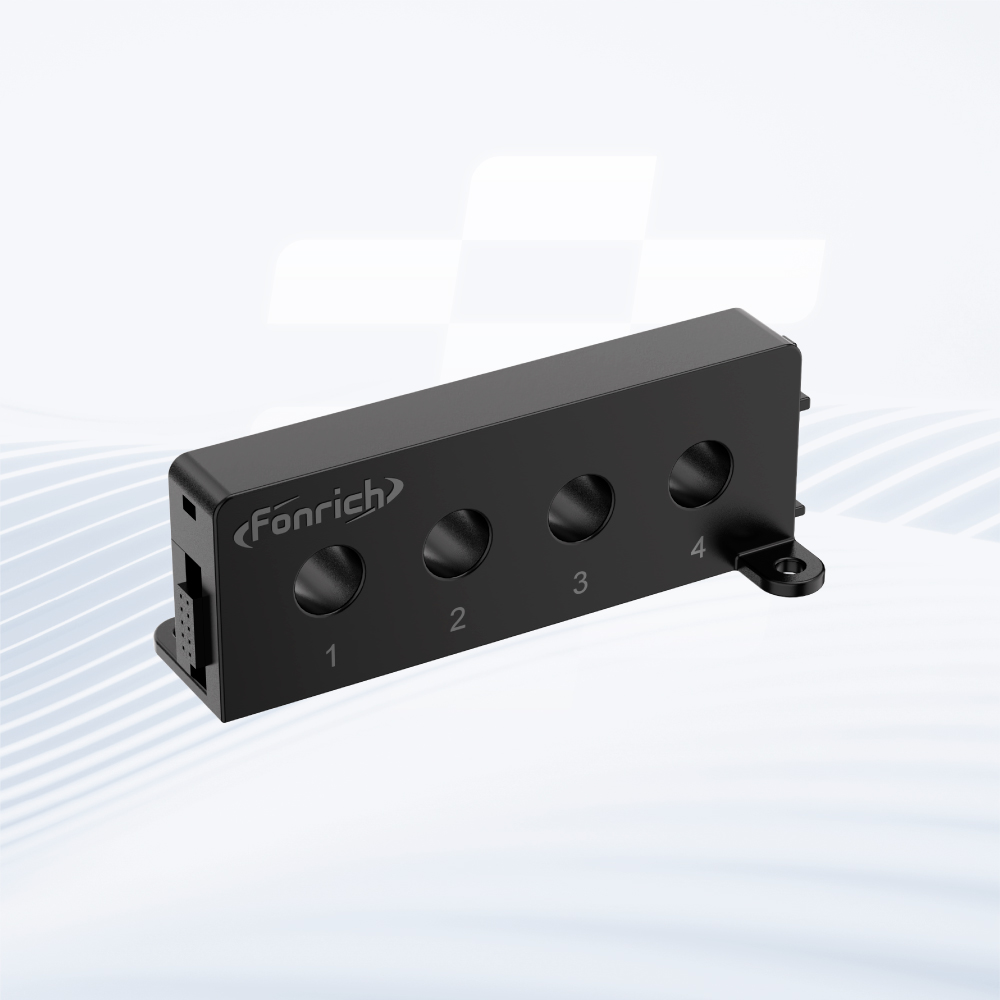
Philippines Rapid Shutdown Regulations: What PV Installers Must Know(pic1)

In the near future, many PV installers will face these questions:

  • Will the government make RSD mandatory?
  • Which scenarios must comply with RSD requirements?
  • Will not installing RSD affect project acceptance?
  • How to choose among the numerous RSD products on the market?

If you’re troubled by these questions, this article is for you.

1. Why is the Philippines Pushing for Rapid Shutdown?

In fact, the reasons are not complicated—they stem from the convergence of three practical issues that have forced the government and industry to take action.

Reason 1: Surge in Rooftop PV = Urgent Fire Risk Mitigation

Philippine cities are densely populated, and many rooftop structures are not heat-resistant. In the event of a fire, high-voltage DC power makes rescue operations extremely dangerous.

RSD’s core function is to immediately reduce rooftop voltage during emergencies, allowing firefighters to "approach safely and extinguish fires without hesitation."

Reason 2: Complex Electrical Environment + Accelerated Aging

High temperatures, humidity, salt spray, combined with inconsistent construction quality in some projects, make cables and connectors prone to arc faults.

RSD acts as a "last line of insurance," minimizing the risk of accident escalation.

Reason 3: Higher Safety Requirements from Governments, Local Utilities, and Insurers

Many regions have already started referencing US NEC standards for grid connection reviews and fire safety approvals. Some areas even have explicit rules:

👉 No Rapid Shutdown = Failed Acceptance.

It’s an industry consensus that future laws and regulations will be further refined.

2. Core Points of the Philippines’ New RSD Rules: 3 Must-Knows for Installers

While specific details vary by region, the overall trend is consistent:PV systems on residential, commercial, school, hospital, and other building types must be equipped with RSD capabilities.

Installers should pay special attention to these three key points:

1. Coverage of Most Rooftop Projects

Especially for:

  • School rooftops
  • Shopping malls and supermarkets
  • Medical facilities
  • Apartments and residences
  • Commercial buildings
  • Factory workshops

These are classified as "highly populated or fire-sensitive areas," subject to the strictest legal requirements.

2. Voltage Must Drop to Safe Levels Within Specified Time

Regulations vary by country, but the core requirement is uniform:After emergency shutdown, the module-side voltage must decrease to a safe value within a short period.

The Philippines is gradually aligning with this safety standard.

3. Systems Must Be "Controllable, Interruptible, and Verifiable"

This is a common oversight among installers.

RSD must not only "cut power" but also:

  • Be compatible with inverters
  • Have stable trigger methods (e.g., fire alarm buttons, AC signal triggers)
  • Demonstrate compliance with voltage reduction requirements during acceptance

In simple terms: "Clear operation, fast shutdown, and passable inspection."

3. What PV Installers Must Prepare in Advance?

More important than regulations is the emerging industry consensus:Projects without RSD will become increasingly difficult to execute in the future.

To avoid rework, failed acceptance, or insurance denial, installers should proactively address the following:

1. Familiarize Yourself with Local Requirements

Understand the rules of local utilities and fire safety authorities. While implementation timelines vary by region, the direction is consistent.

The better you understand the requirements, the smoother communication and project execution will be.

2. Include RSD as a Standard Configuration in Quotations

Many installers report:"In the past, we didn’t factor in RSD costs. Now we spend hours explaining and adjusting quotes—wasting valuable time."

Including RSD as a standard configuration not only ensures compliance but also enhances project professionalism.

3. Choose a Stable, Reliable RSD Solution—Don’t Sacrifice Quality for Low Prices

Cheap RSD products may have these issues:

  • Instability in high temperatures
  • Shutdown delays (leading to failed acceptance)
  • Incompatibility with inverters
  • Frequent faults and high maintenance costs

The cost of rework far exceeds the savings from choosing a cheap product.

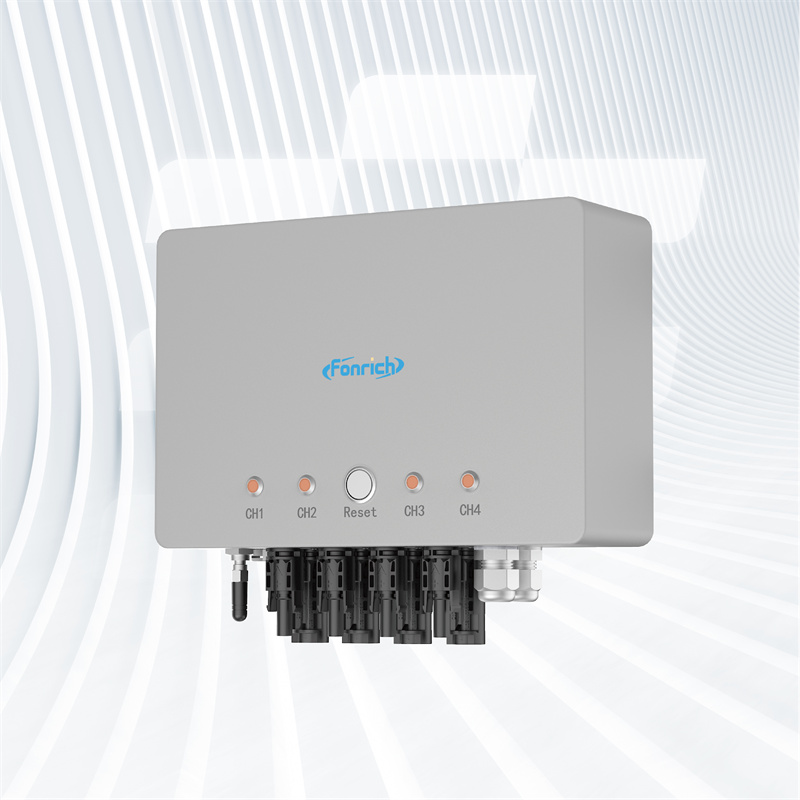
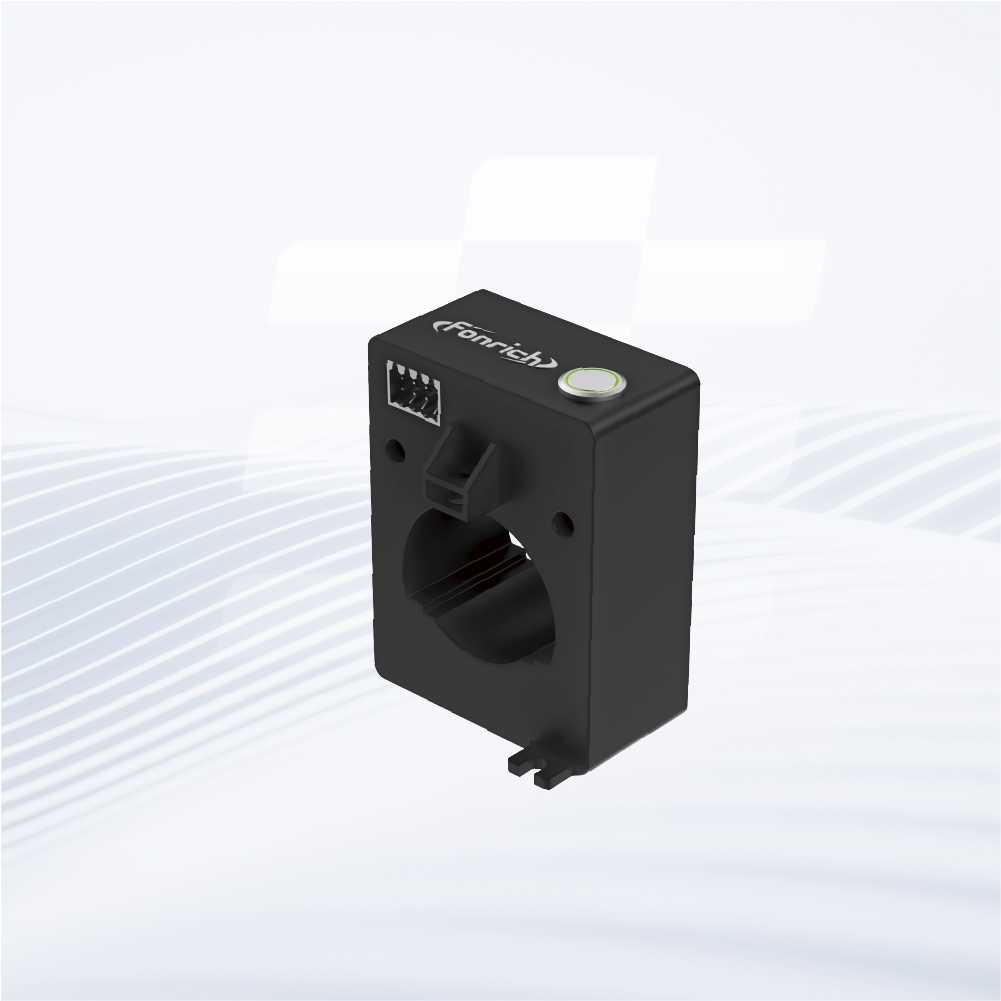
4. Why Are More Installers Switching to Fonrich Rapid Shutdown?

Local Philippine PV installers have consistently praised Fonrich (丰郅) over the past two years:"Stable, worry-free, and no surprises."

The key reasons are:

✔ Compliant with Major National Safety Standards = Smooth AcceptanceFonrich’s products are certified by authoritative bodies, meeting strict RSD requirements.

✔ Compatible with Mainstream Inverters = No Brand RestrictionsWorks seamlessly with popular brands in the Philippines, including Growatt, GoodWe, Huawei, SMA, and Sofar.

✔ Adapted to the Philippine Environment = Durable PerformanceResistant to high temperatures, humidity, and salt spray. Passed long-term aging tests, ideal for local rooftop conditions.

✔ Simple Installation + Low Maintenance = Time-SavingCritical for installers managing multiple teams and projects.

✔ Globally Proven = Reliable Track RecordPhilippine clients fear "beta-testing new products," but Fonrich’s RSD is widely used in large-scale projects across Europe, America, and Southeast Asia.

In short:Stability, easy compliance, and minimal maintenance—exactly what installers need.

5. Soon, RSD Will Be a "Hard Requirement" as Philippine PV Moves Toward "Safety Standardization"

Clear industry trends are emerging:

  • Larger projects = Mandatory RSD
  • Denser cities = Stricter requirements
  • Insurers and fire departments are raising standards in tandem
  • Clients are more safety-aware and reject "unprotected solutions"

For installers, proactive preparation equals competitiveness.

RSD is not an additional cost—it’s the minimum threshold for smooth project execution, successful acceptance, and hassle-free after-sales service.

Based on this insight, Fonrich offers a safe, durable, and locally adapted RSD solution tailored to the Philippine market.

FAQ (One-Sentence Answers)

  1. Why is the Philippines emphasizing Rapid Shutdown more and more?Due to dense urban construction, high safety risks, and gradually elevated legal and fire safety standards.

  2. What happens if RSD is not installed?Failed grid connection or fire safety acceptance, and increased difficulty in obtaining insurance approval.

  3. Is Fonrich’s Rapid Shutdown suitable for the Philippine environment?Yes—its stable performance in high-temperature, high-humidity, and salt spray tests makes it highly adaptable to local conditions.


TAG:
WeChat
微信二维码
Top
xiaoxi

Contact Us

Name *
Company Name *
Website
Email *
Phone *
State/Province
Inquiry Type *
Products of Interest *
Message

Fields with * are required