2025-11-30

Philippines Rapid Shutdown: Solar Safety Compliance Guide for 2025

In recent years, the Philippines' photovoltaic (PV) market has developed rapidly, with rooftop PV, commercial PV, and power plant projects accelerating implementation. As the market scale expands, the country's requirements for "PV safety" have gradually tightened, with the most discussed topic being Rapid Shutdown (RSD).

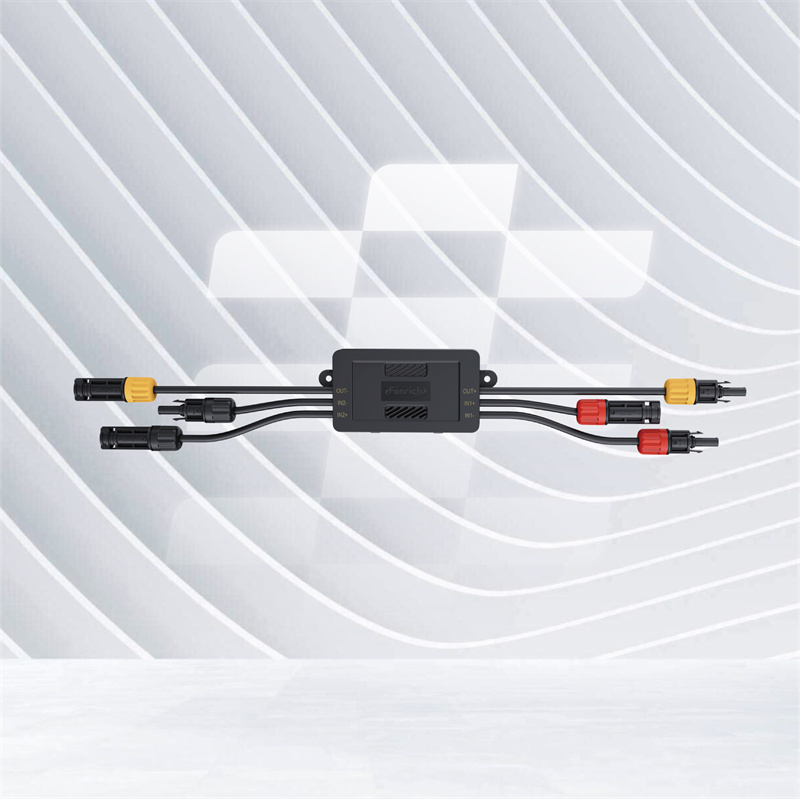
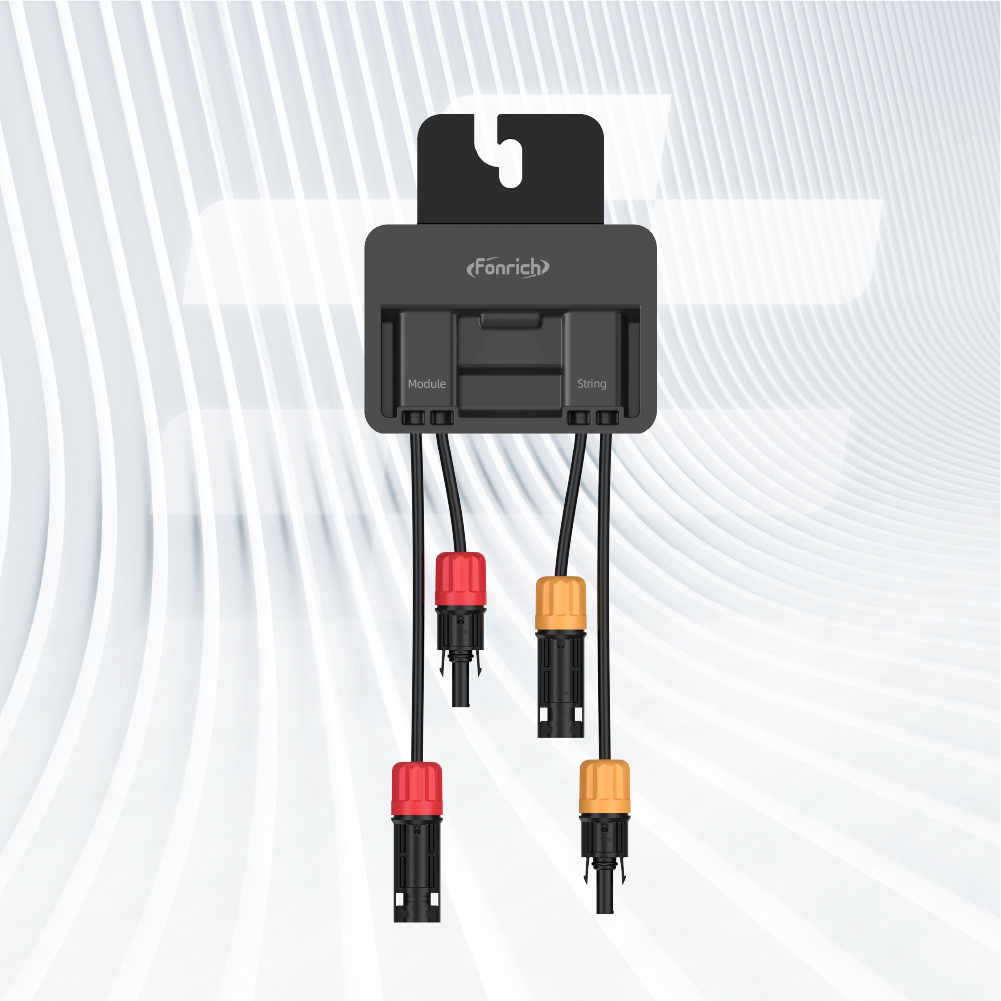
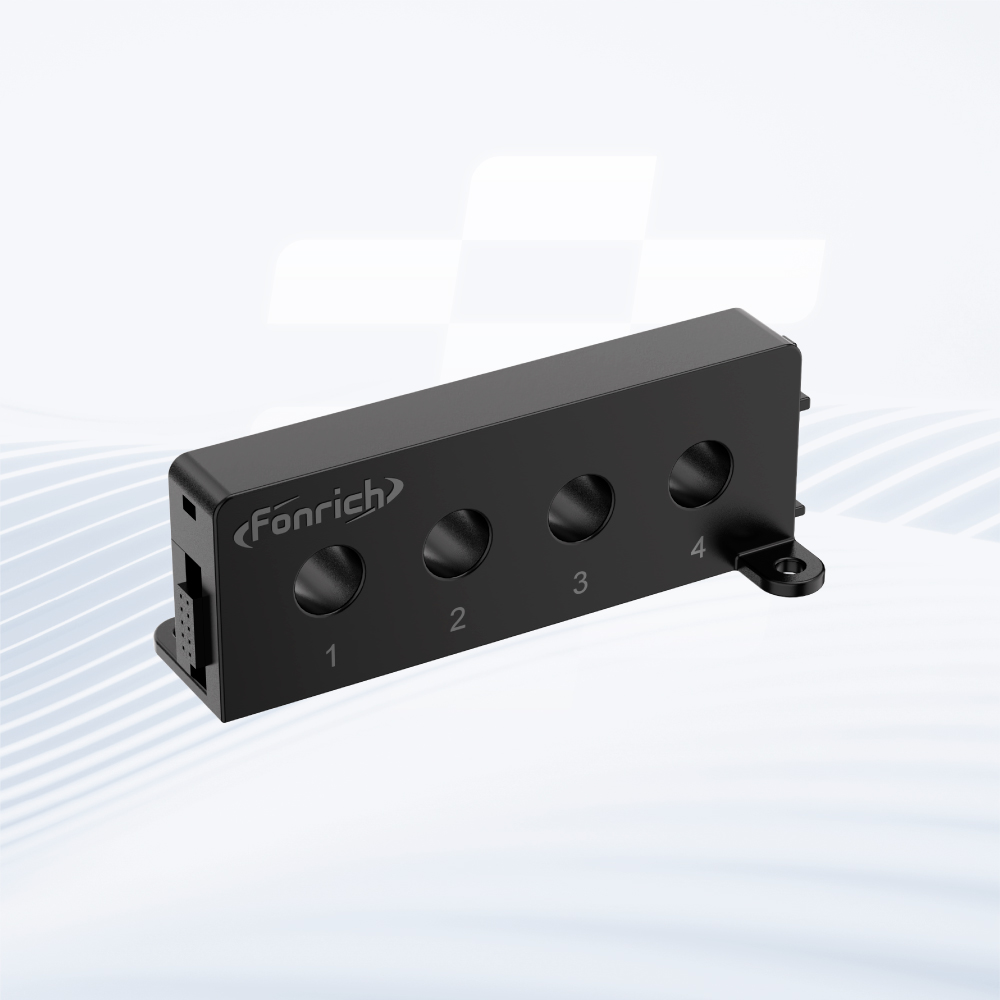
Philippines Rapid Shutdown: Solar Safety Compliance Guide for 2025(pic1)

I. What is Rapid Shutdown? Why is it necessary to install it?

Simply put, Rapid Shutdown reduces the DC voltage of rooftop PV systems to below a safe level in a very short time during emergencies.

One of the purposes: To allow firefighters and maintenance personnel to operate safely without being endangered by high-voltage DC electricity.

In the Philippines, rooftop PV systems are becoming increasingly common, with dense buildings and varying levels of construction quality. In the event of a fire or wiring issue, high-voltage DC is the most dangerous factor. Rapid Shutdown is the "minimum safety line" set by the government.

Moreover, many localities have clearly stipulated:❗ No Rapid Shutdown = No grid connection + No acceptance approval.

II. Philippines 2025 Rapid Shutdown Policy Trends (Simplified Version)

The industry generally expects the Philippines to further strengthen fire and electrical safety requirements for PV systems, particularly referencing US NEC standards, including:

  • Restricting voltage within 1 inch of the edge of rooftop modules.
  • Typically requiring voltage to drop to 30V or lower within 30 seconds (a typical Rapid Shutdown standard).
  • Emergency switches must be installed near the inverter or rooftop installation point for external personnel to cut off power immediately.
  • Almost all new projects need to be equipped with a Rapid Shutdown solution. Even if the grid connection authority does not mandate it temporarily, insurance companies and property owners will require it.

Simple understanding:In the future, installing PV without Rapid Shutdown will basically be illegal and unsafe.

III. How to Choose a Rapid Shutdown System?

Many people think Rapid Shutdown is just a "power cutoff box," but there are significant technical differences. A poor choice can lead to several problems:

  • Reduced power generation.
  • Poor compatibility, causing inverter alarms.
  • High rooftop temperatures leading to short equipment lifespan.
  • Difficulty identifying liability parties when issues occur.

Therefore, pay attention to the following points when selecting equipment:

  1. Check for authoritative certificationsAt a minimum, it should have:

    • UL 1741 certification.
    • Compliance with NEC 2017/2020 Rapid Shutdown requirements.These certifications basically ensure the product will perform reliably in critical situations and facilitate smoother acceptance.
  2. Check compatibility with different inverter brandsThe Philippine market has a wide range of inverter brands, including Huawei, SMA, Growatt, GoodWe, Sofar, and Sungrow.Choosing a Rapid Shutdown that works with various inverters can reduce troubleshooting.

  3. Check for module-level Rapid Shutdown supportToday, rooftop PV is increasingly leaning toward module-level safety, which minimizes risks.

  4. Check high-temperature resistanceRooftop temperatures in the Philippines are extremely high, easily reaching 70℃ on sunny days.Many low-cost products age and burn out quickly in such environments.

IV. Why are many engineers choosing Fonrich's Rapid Shutdown?

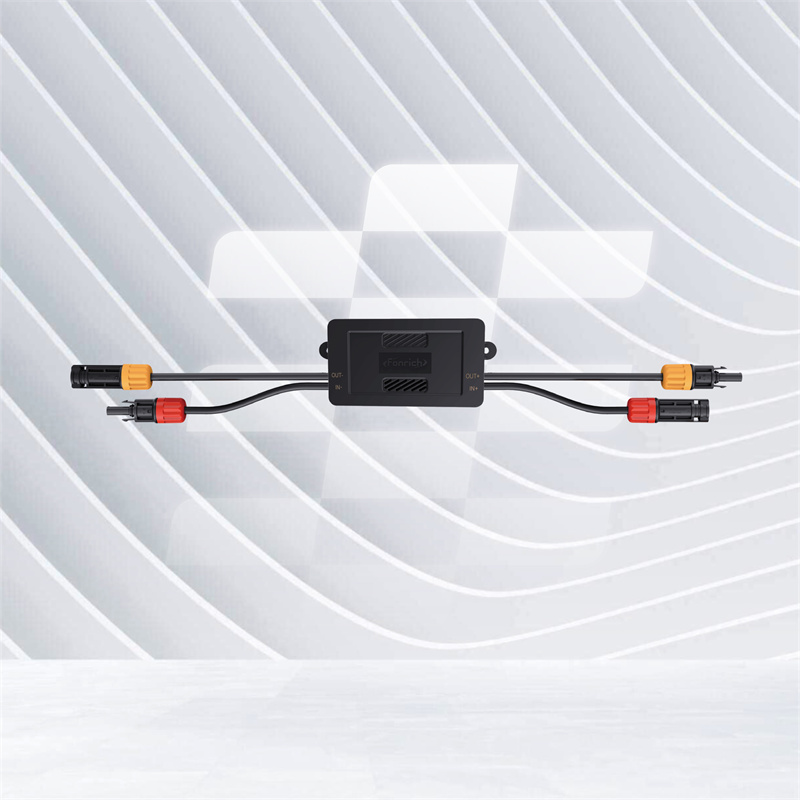
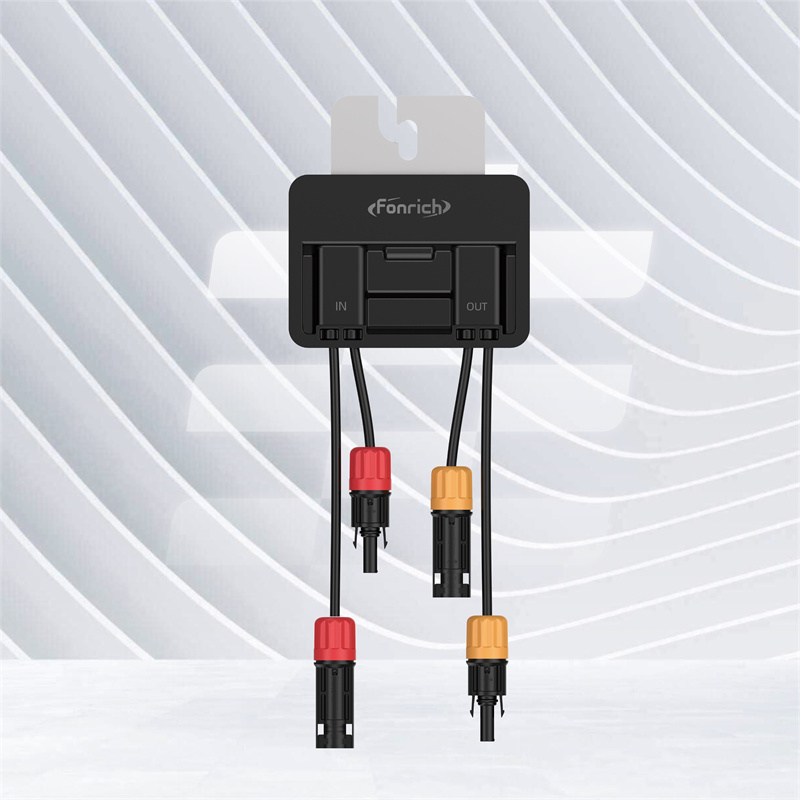
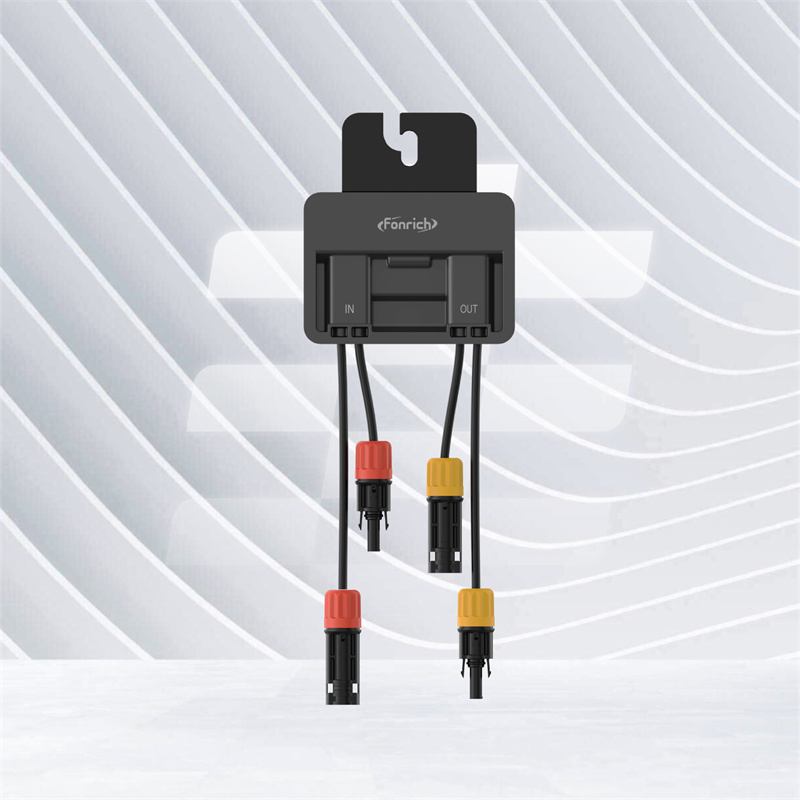
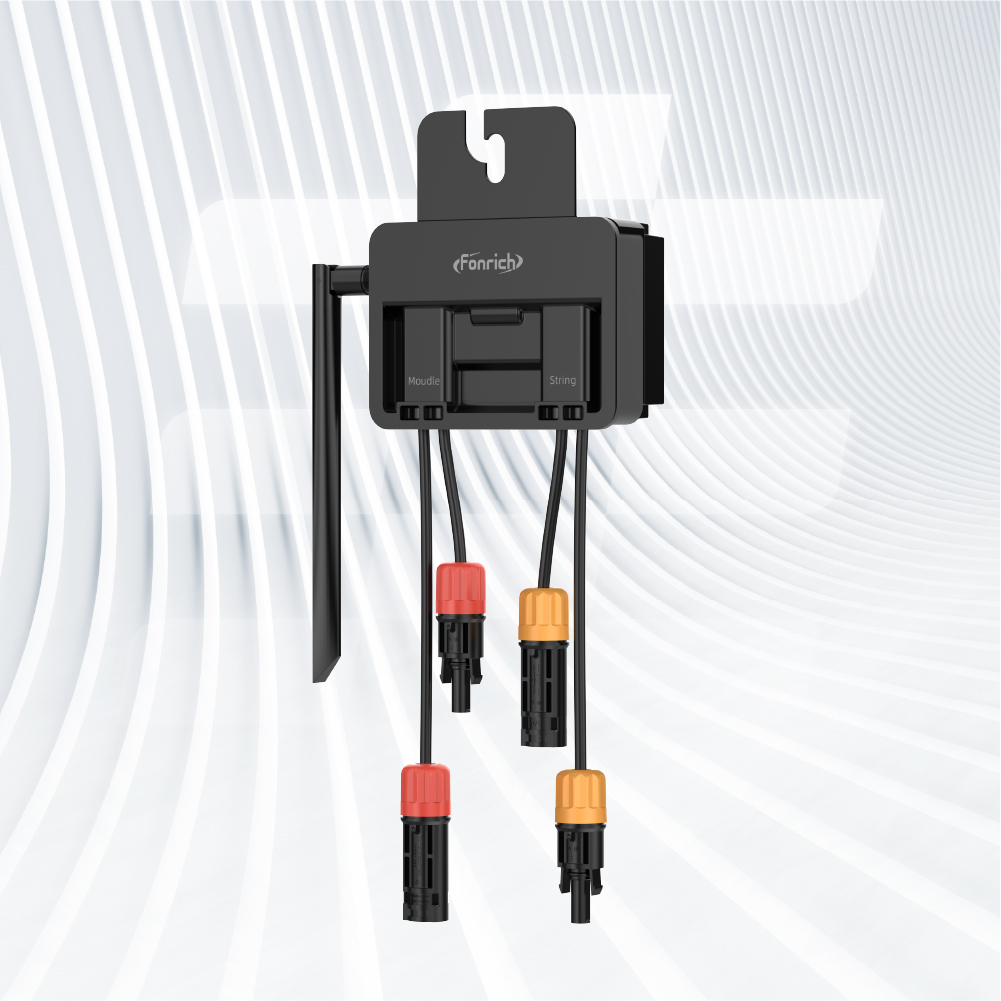
Recently, many Philippine engineers prioritize Fonrich when selecting Rapid Shutdown solutions. The reasons are simple:① Wide inverter compatibility (brand-agnostic)Fonrich's Rapid Shutdown works with mainstream inverters on the market without additional modifications, allowing you to continue using your preferred brand.

② Truly reduces voltage to a safe level within 30 secondsComplies with NEC 2017/2020 requirements, making it easier to pass fire safety inspections and gain customer acceptance.

③ High-temperature resistant and durableFonrich's Rapid Shutdown has passed high-temperature aging tests, making it reliable for use in the Philippines' "year-round summer" environment.

④ Easy installation and low maintenanceLightweight structural design enables quick installation by rooftop technicians, accelerating project deployment with minimal maintenance needs.

⑤ Proven in European and North American marketsThe product's reliability has been verified in large overseas markets, giving Philippine engineers greater peace of mind.

If you're working on rooftop PV commercial projects—especially schools, government buildings, shopping malls, warehouses, etc.—property owners will generally ask proactively: "Do you have Rapid Shutdown?"Presenting Fonrich's solution at this point will basically ensure quick approval.

V. How to Ensure Smooth Acceptance in 2025? (Key Points)

Here's a practical checklist:✔ 1. Clarify local power company requirementsSome areas have already adopted NEC standards, while others are in a transition period. Advance communication saves time and effort.

✔ 2. Confirm inverter-Rapid Shutdown compatibility in advanceAvoid discovering incompatibility after equipment arrives on-site.

✔ 3. Plan rooftop layout carefullyConsider wiring distance and module edge positions when installing Rapid Shutdown.

✔ 4. Don't choose based solely on priceRapid Shutdown is essentially a safety device—one failure could cost you the entire system.

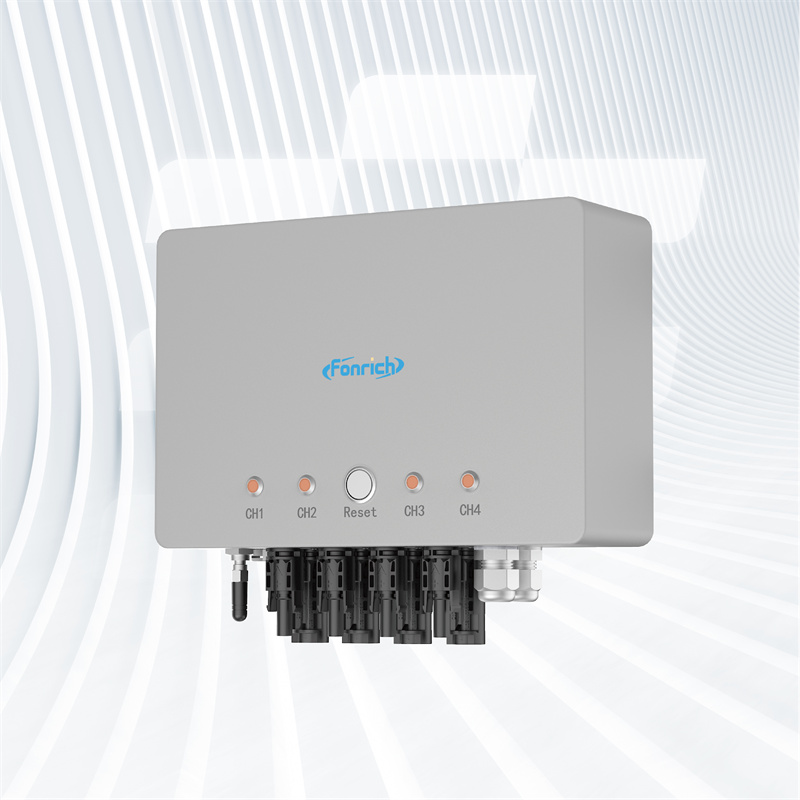
✔ 5. Recommend integrated solutions, such as Fonrich's complete designSome engineers opt for cheap assembled solutions, only to fail acceptance and incur high repair costs.

Summary (Simplified Version)

Rapid Shutdown has become an "entry requirement" for PV projects in the Philippines.After 2025, safety regulations will only become stricter for residential, commercial, and industrial rooftops alike.

For engineers and integrators, the safest approach is to:Choose a reliable, compatible Rapid Shutdown product with proven international market performance—such as Fonrich's module-level Rapid Shutdown solution.

This not only facilitates smoother acceptance but also reduces after-sales service, prevents potential safety hazards, and enhances customer trust in project quality.

Related Questions 

  1. Is Rapid Shutdown mandatory?Basically, yes—required for all new rooftop PV projects as a mandatory safety measure.

  2. Can Fonrich's Rapid Shutdown work with any inverter?It is directly compatible with most mainstream brands without additional modifications.

  3. Will Rapid Shutdown affect power generation?The impact of compliant products is minimal, almost negligible.


TAG:
WeChat
微信二维码
Top
xiaoxi

Contact Us

Name *
Company Name *
Website
Email *
Phone *
State/Province
Inquiry Type *
Products of Interest *
Message

Fields with * are required