2025-11-30

How to Install Philippines Rapid Shutdown: Step-by-Step for Homeowners

In the Philippines, more and more households are choosing solar PV systems to reduce electricity bills while supporting green energy. But did you know? The high-voltage DC from rooftop solar panels poses potential fire and electric shock risks. Installing a Rapid Shutdown (RSD) system can quickly cut off power in emergencies, ensuring the safety of your family and property. Now, we’ll teach Filipino households how to install an RSD system step by step in the simplest way possible, and also explain why many families choose Fonrich’s solution.

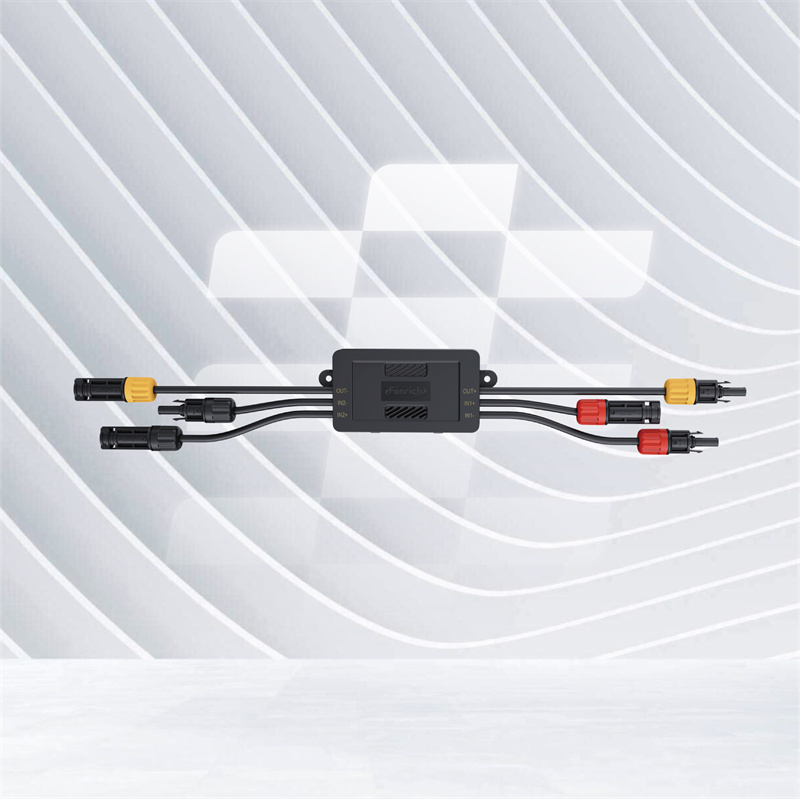
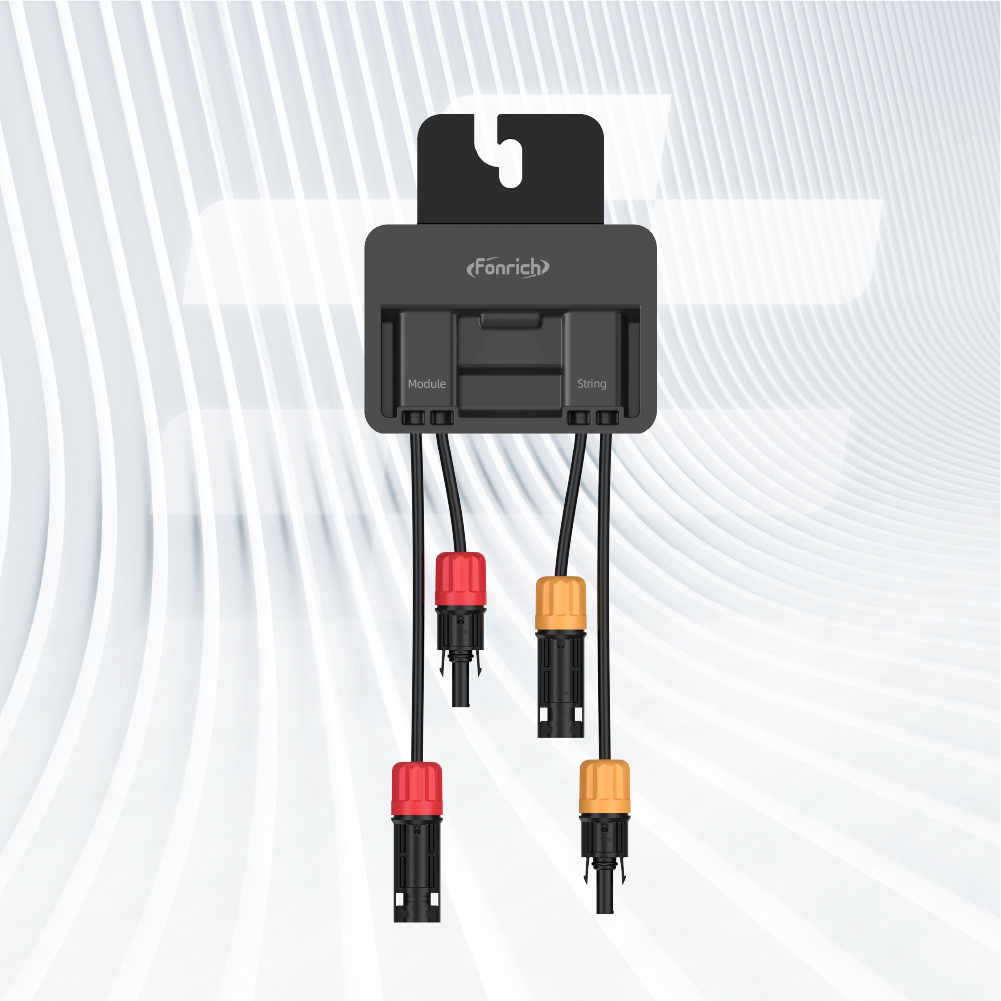
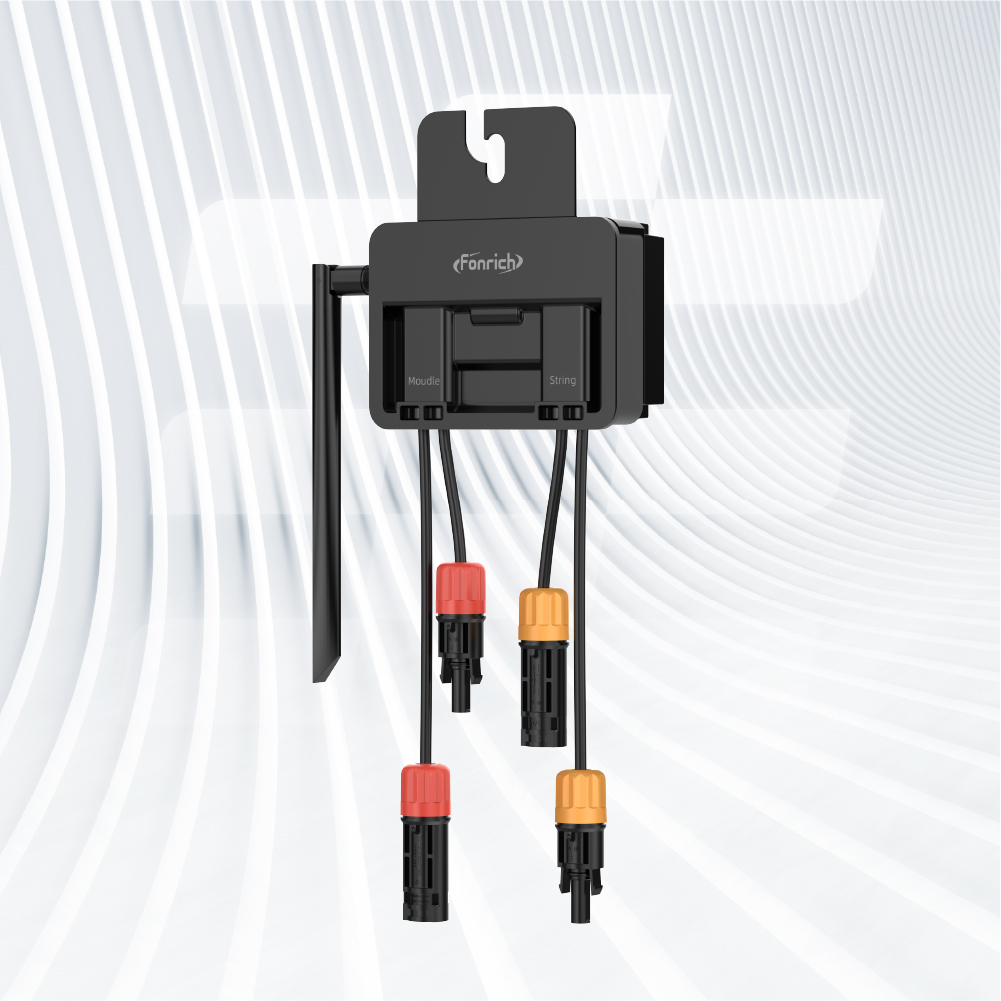
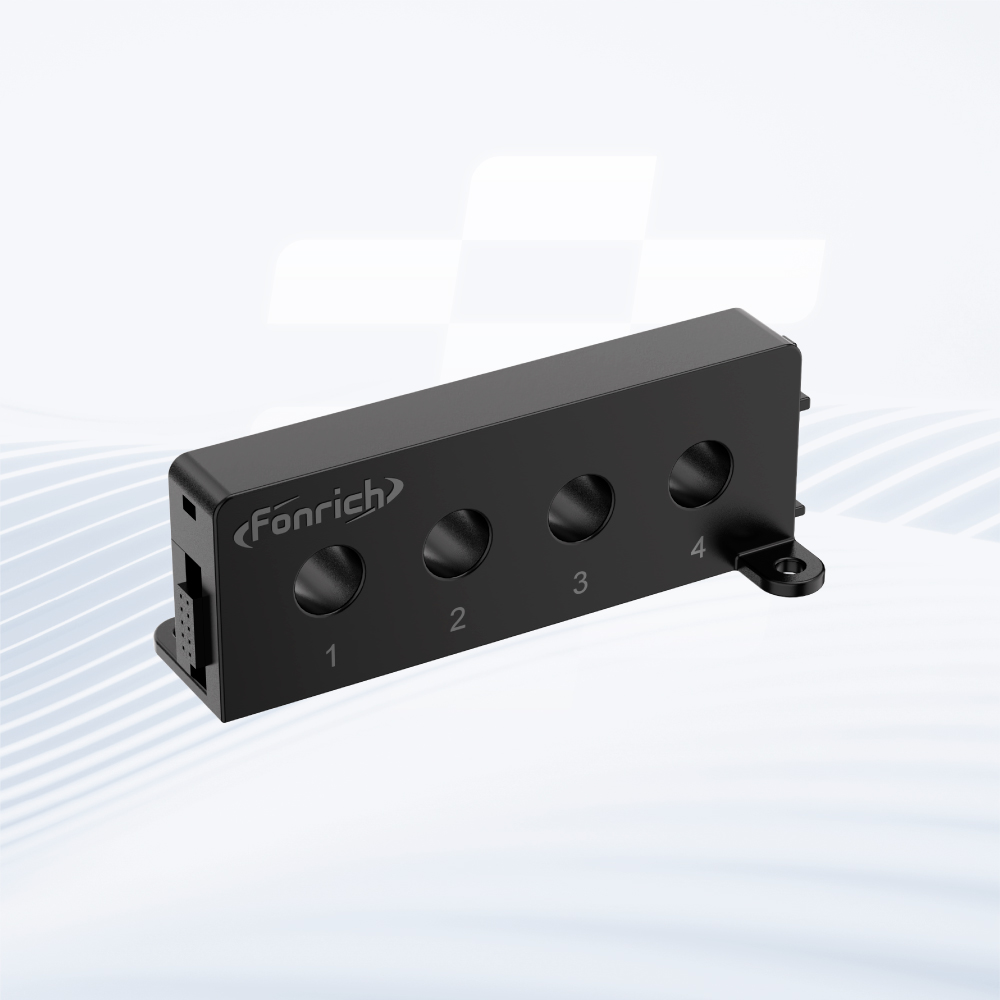
How to Install Philippines Rapid Shutdown: Step-by-Step for Homeowners(pic1)

✅ Step 1: Understand Your PV System and Safety RequirementsFirst, you need to know your home’s PV system capacity, inverter model, and rooftop structure. The RSD system you choose must match these conditions—otherwise, it may not work effectively.

  • Small rooftop systems (1–5 kW): A module-level RSD is sufficient.
  • Medium to large rooftop systems (5–10 kW): A string-level solution is more suitable.
  • Want remote monitoring and automatic alarms? Choose a solution with intelligent features for enhanced safety and convenience.

Tip: Fonrich offers a variety of residential solutions compatible with mainstream inverters. With flexible installation, they are especially suitable for Filipino households.

✅ Step 2: Prepare Equipment and Tools

  • RSD components (module-level or string-level)
  • Receiver/control gateway (required for some solutions)
  • Cables and connectors
  • Basic tools: Screwdrivers, insulated gloves, voltage tester, etc.

In the Philippines, it’s crucial to ensure all equipment meets local electrical standards and is resistant to heat, moisture, and UV rays.

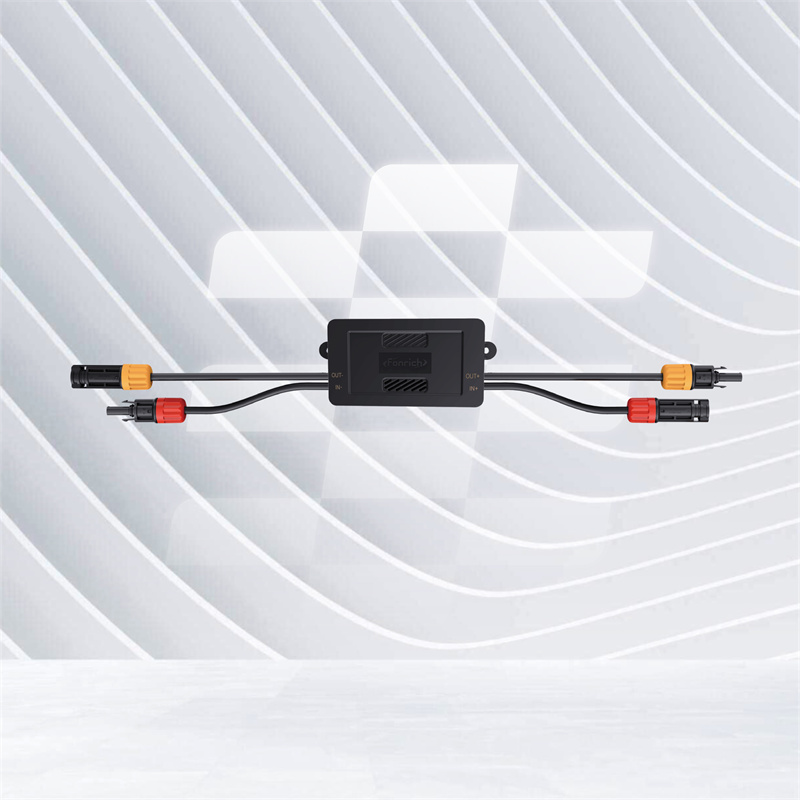
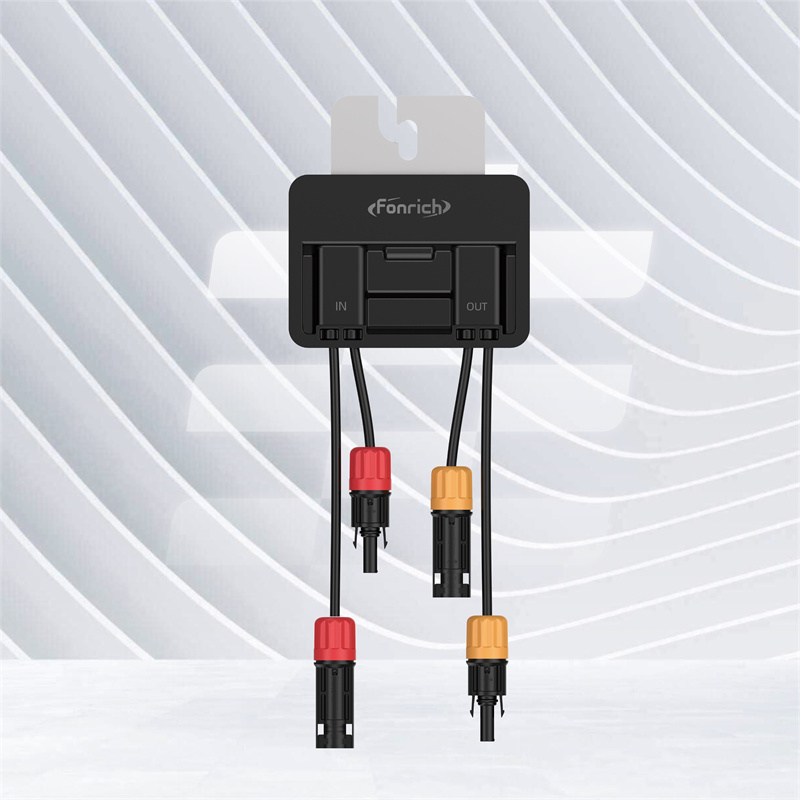
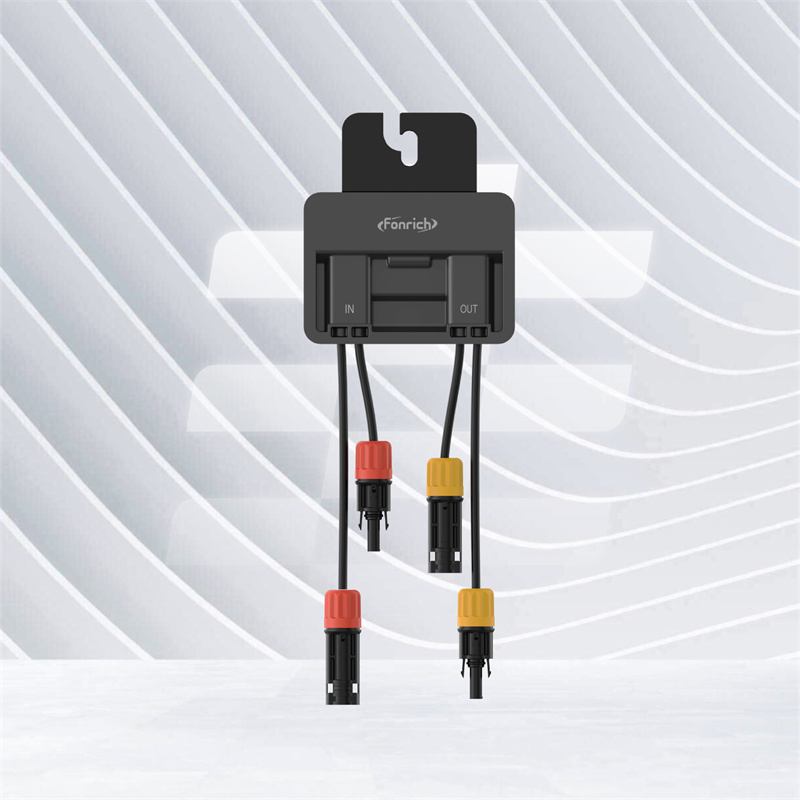
✅ Step 3: Install Module-Level or String-Level Protectors

Module-Level Installation

  1. Secure the protector to the end of each solar panel.
  2. Connect to the DC positive and negative terminals according to the manufacturer’s manual.
  3. Ensure wire connections are stable—no loosening or exposed conductors.

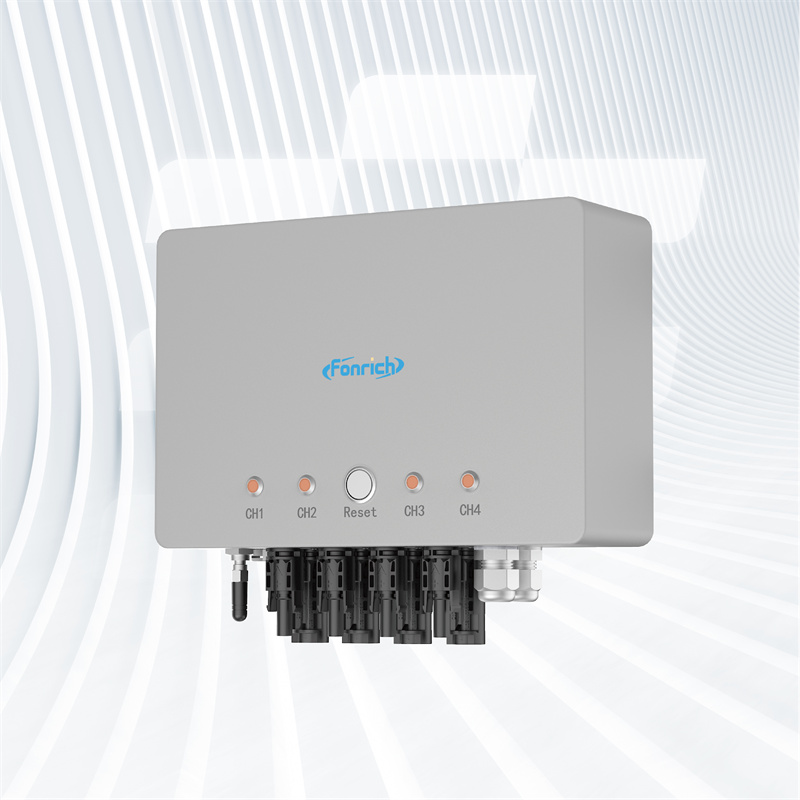
String-Level Installation

  1. Install the protector at the end of each string’s cables.
  2. Connect to the inverter terminal or RSD control gateway.
  3. Ensure the communication line (wired or wireless) is unobstructed for remote monitoring and shutdown data transmission.

Fonrich’s products support wireless connectivity, greatly reducing wiring complexity—perfect for the Philippines’ rainy and windy rooftop environments.

✅ Step 4: Connect to the Inverter and Monitoring System

  1. Connect the RSD device to the inverter (wired or wireless).
  2. Equip a control gateway to upload data to your mobile phone or web platform.
  3. Set emergency trigger conditions (e.g., fire, equipment malfunction, manual testing).

This way, even when you’re not on the rooftop, you can check the system status anytime via Fonrich’s monitoring platform—safe and reliable.

✅ Step 5: Testing and Verification

  1. Manually trigger a rapid shutdown to confirm voltage drops to a safe range within the specified time.
  2. Check that all communication signals are normal.
  3. If you installed remote monitoring, ensure the APP or web platform displays the status of each string.

Once testing is complete, the system can be officially put into daily operation.

✅ Step 6: Daily Maintenance Tips

  1. Regularly inspect wire connections for tightness or damage.
  2. Verify that the RSD device and monitoring system are operating normally.
  3. In case of alarms or abnormalities, first cut off power before troubleshooting.

Fonrich’s equipment has high stability and requires almost no frequent maintenance—ideal for Filipino households.

⚡ Why Choose Fonrich Rapid Shutdown?

  • Compatible with mainstream inverters and easy to install.
  • Heat, moisture, and UV resistant—adapted to rooftop high-temperature and high-humidity environments.
  • Supports remote monitoring and alarms—saves time and effort daily.
  • Certified to international safety standards—ensures smooth acceptance and insurance coverage.

In short, Fonrich is the preferred brand for residential PV rapid shutdown in the Philippines.

🏁 SummaryFor Filipino household PV systems, an RSD system is not just a "bonus feature" but a safety baseline. Install it step by step as above, paired with Fonrich’s reliable equipment, and your home PV will not only generate stable power but also protect your family’s safety in emergencies.

❓ FAQ (One-Sentence Answers)

  1. Must residential rooftop PV install Rapid Shutdown?Yes—highly recommended for safety and compliance with future regulations.

  2. Will installing Rapid Shutdown affect daily power generation?No—it only activates during emergency shutdowns.

  3. Can Fonrich’s series be used in the Philippines’ high-temperature and high-humidity environment?Absolutely—products are specifically designed for hot, humid rooftops.


TAG:
WeChat
微信二维码
Top
xiaoxi

Contact Us

Name *
Company Name *
Website
Email *
Phone *
State/Province
Inquiry Type *
Products of Interest *
Message

Fields with * are required