Language
A question often heard in the PV industry goes like this: “Can a Power Optimizer really save electricity? How much extra power can it actually generate? Is it worth installing?”
Especially as more projects are now prioritizing Rapid Shutdown and system safety, the Power Optimizer is no longer just an “efficiency-enhancing accessory”—it is gradually becoming a staple in mainstream solar installation solutions.

In this article, we will skip jargon and avoid formula-heavy explanations. Instead, we will talk in a down-to-earth, on-site perspective about how much actual power generation gain a Power Optimizer can deliver, and its combined value with Rapid Shutdown in real-world projects.
Strictly speaking, a Power Optimizer does not “save” electricity—it reclaims power that would otherwise be wasted.
In reality, the gain varies significantly across different scenarios, but industry-wide common ranges are as follows:
Why such a big gap? There is one core reason:The Power Optimizer is a solution to the “bucket effect” in PV systems.
In the past, most PV systems relied on string-level MPPT integrated in solar inverters.
What does this mean?
Within a string of modules, if even one module is “underperforming”, the entire string’s output will be dragged down to the level of that weak module.
Common causes of this issue include:
A solar system drawing may look perfect on paper, but real-world environments never follow theoretical designs.
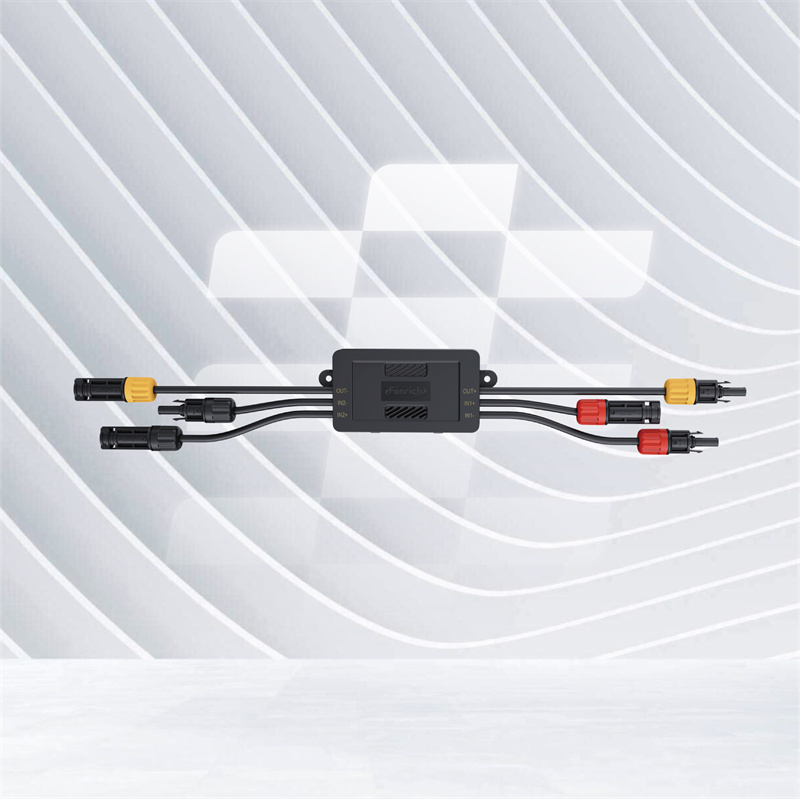
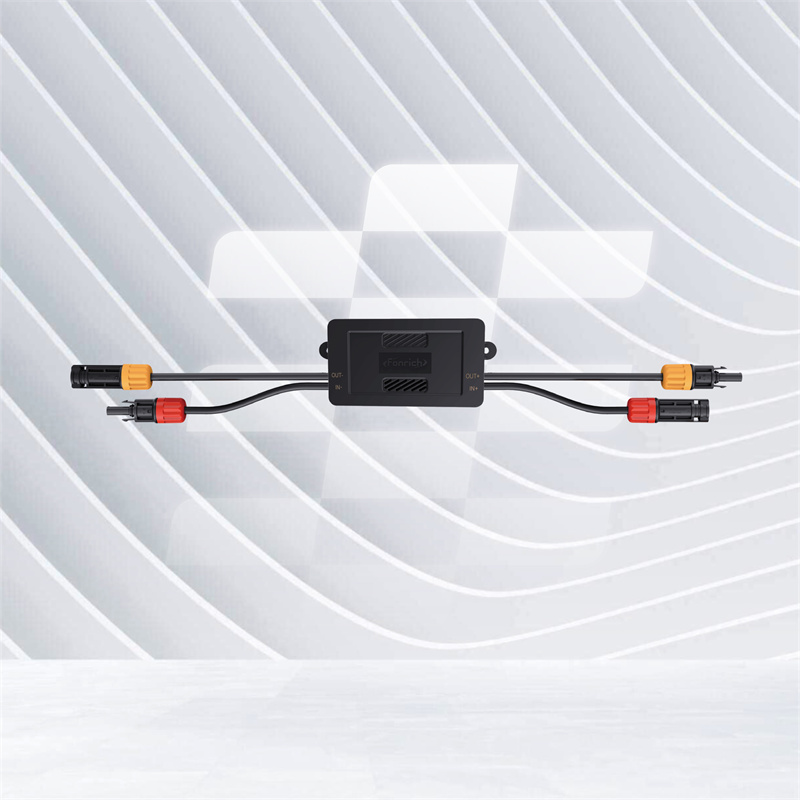
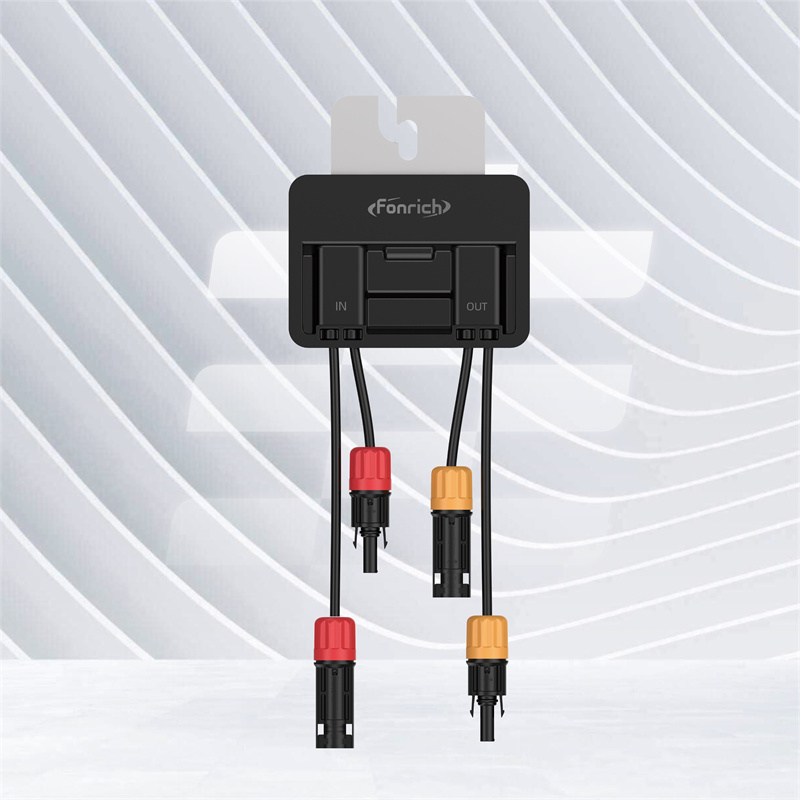
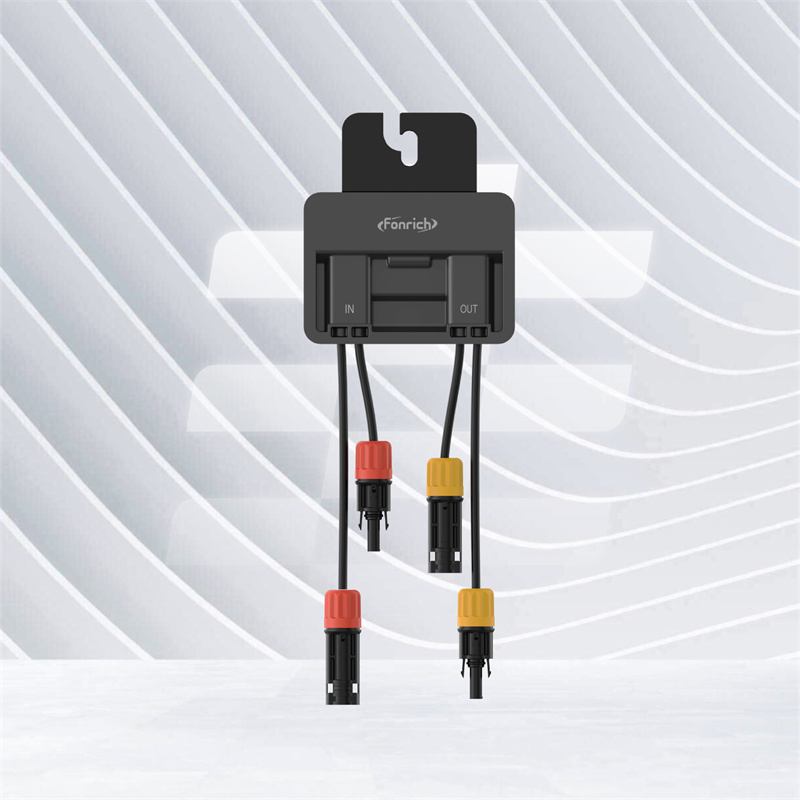
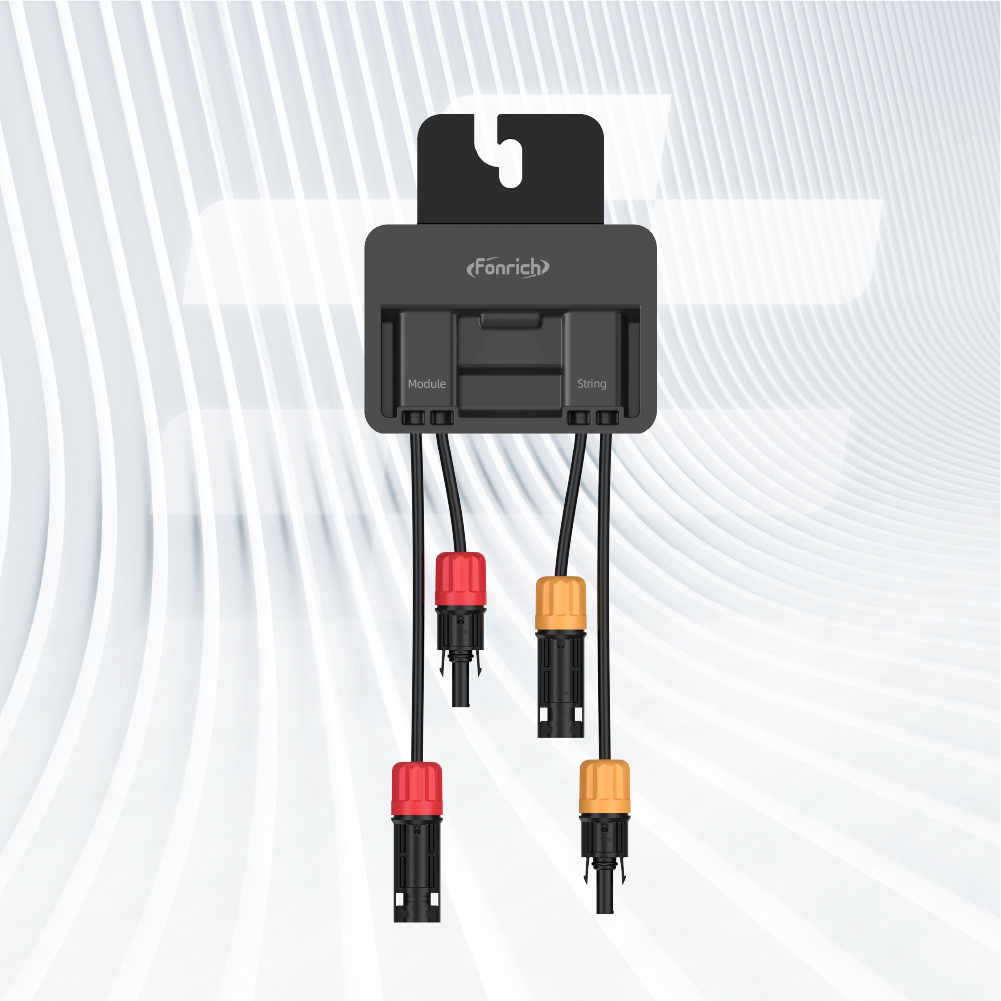
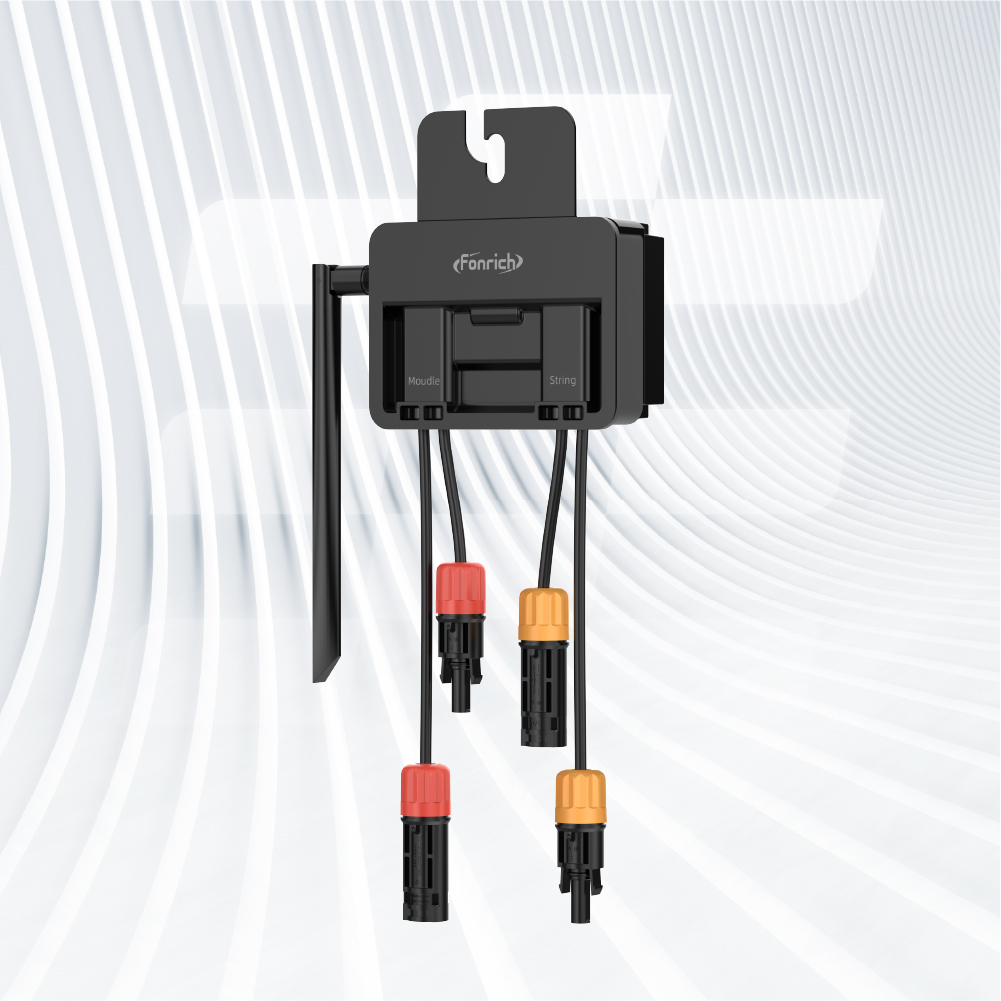
The Power Optimizer’s core function is to decentralize MPPT to the module level, allowing each panel to “operate independently” without being affected by others in the string.
Many people view the Power Optimizer and Rapid Shutdown as separate components, but in current designs, they are often integrated as a bundled solution.
In terms of power generation efficiencyThe Power Optimizer boosts daytime power output by eliminating performance bottlenecks.
In terms of safety and complianceRapid Shutdown addresses high-voltage DC risks during emergencies, especially critical for:
When combined, the system undergoes a transformative upgrade:It not only generates more power but also enables safer deployment.
This is why a growing number of solar companies now include both technologies as standard equipment during the planning phase, rather than treating them as afterthoughts or retrofits.
Not every solar farm needs a Power Optimizer, but it delivers exceptional value in the following cases:
In these scenarios, the Power Optimizer does not just provide “theoretical gains”—it delivers visible improvements in power generation curves that can be tracked and verified.
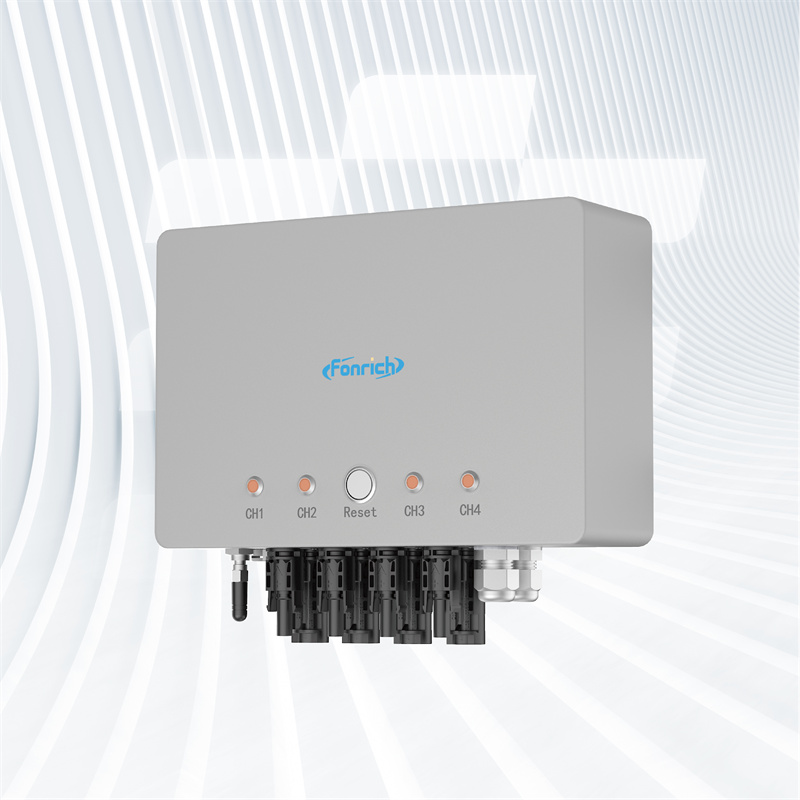
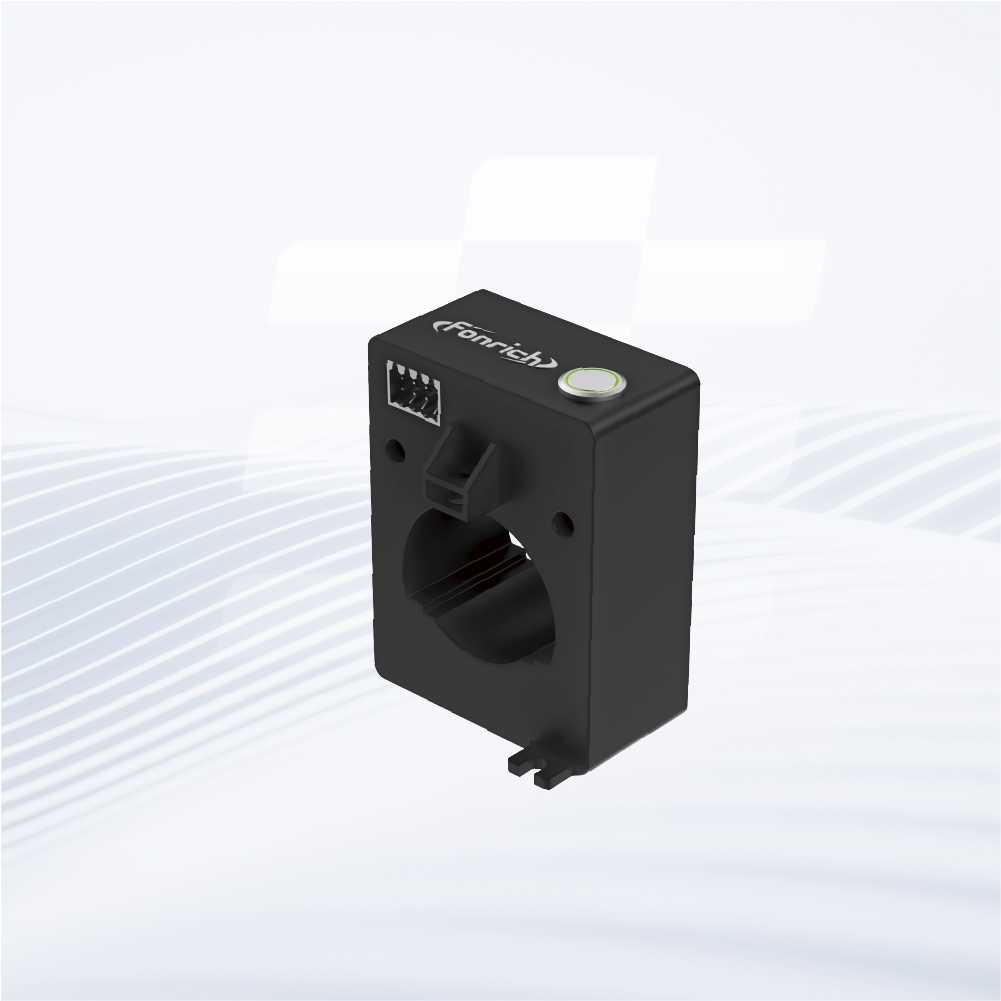
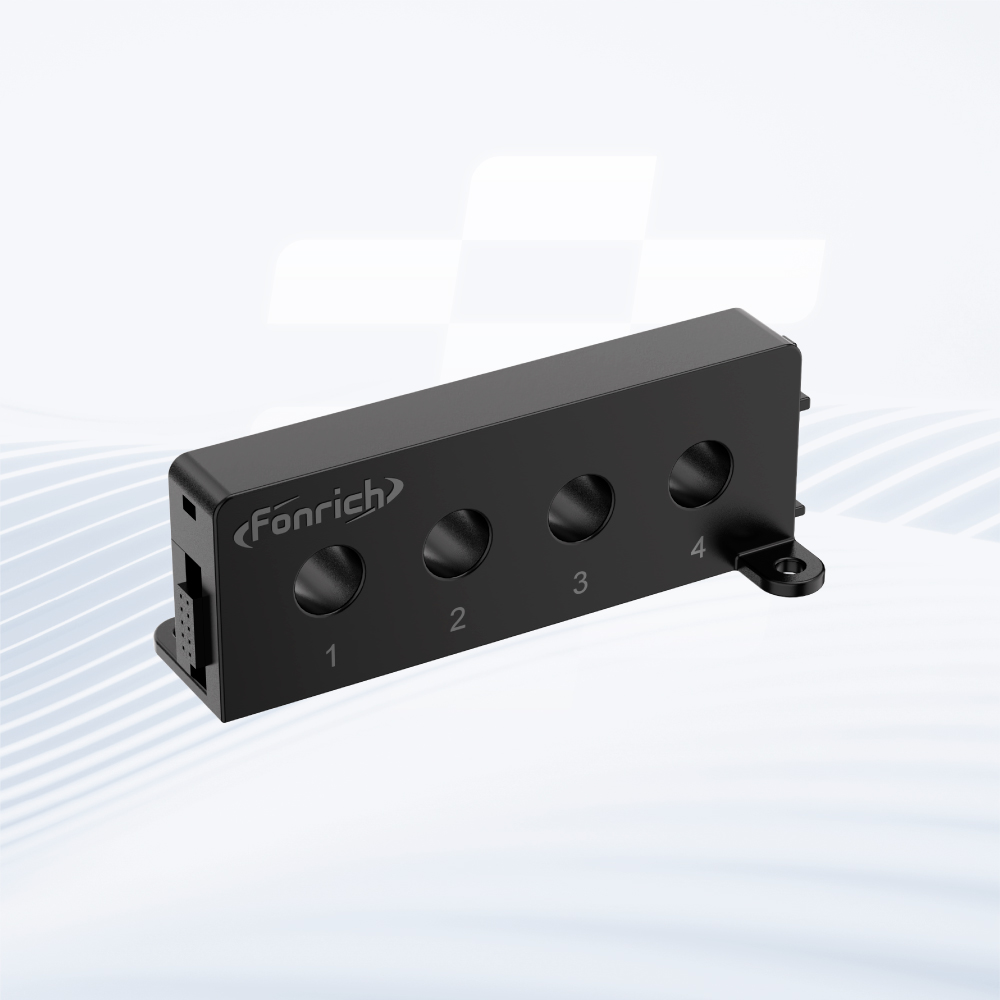
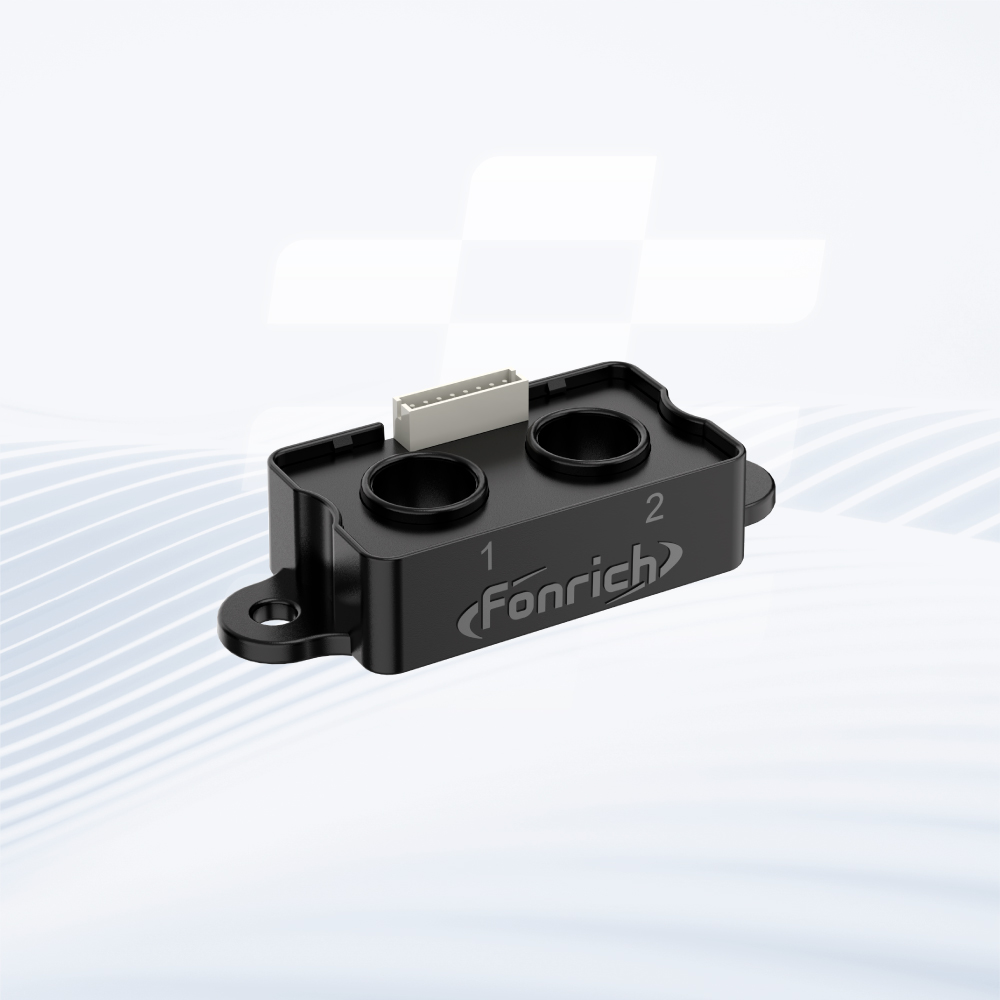
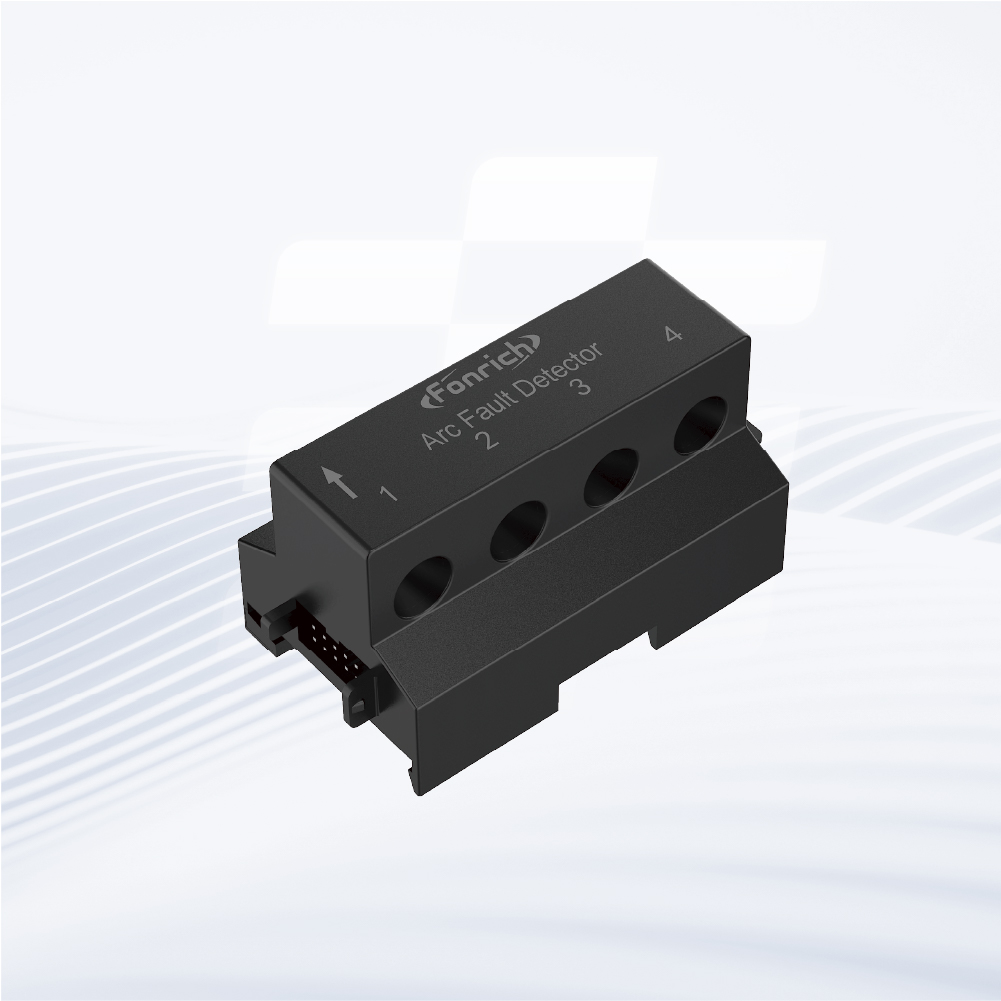
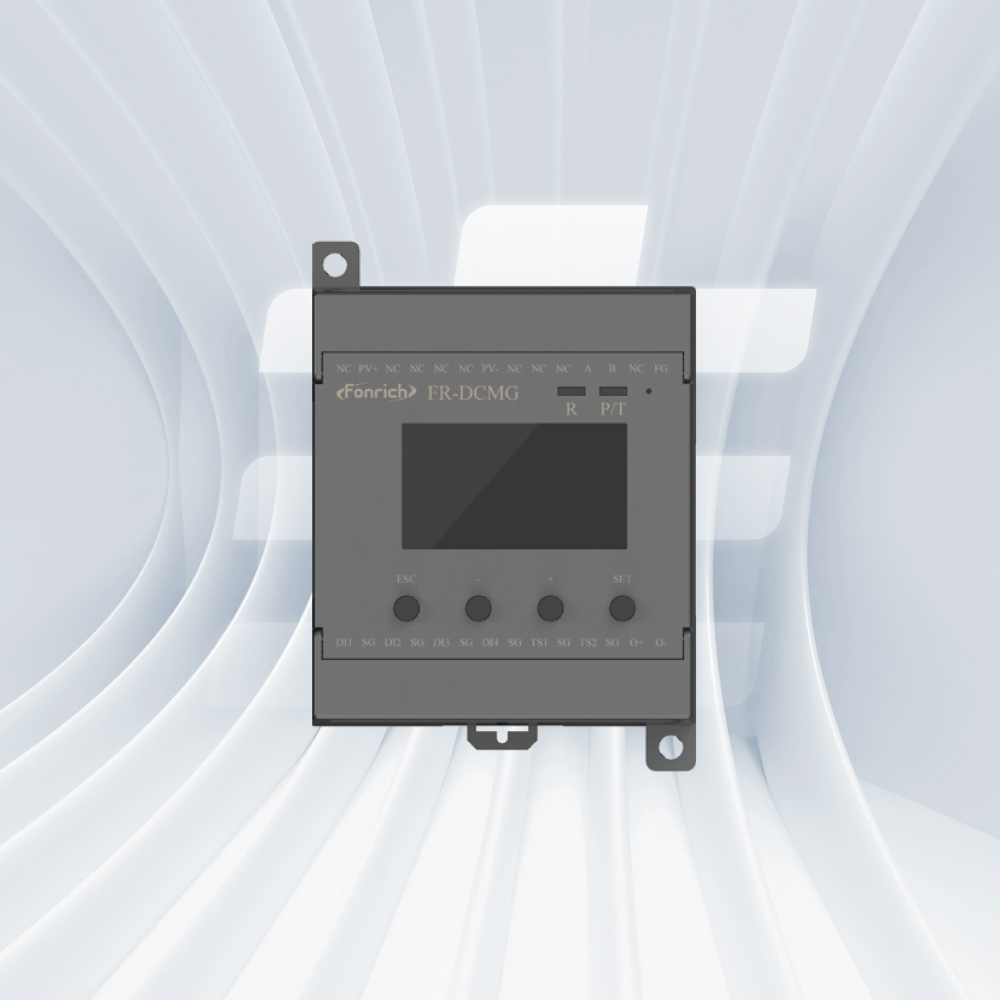
In real-world projects, Fonrich prioritizes system-level safety logic above all else.
These three components are not standalone—they form a seamless, end-to-end chain covering the entire lifecycle of solar installations: design → operation → maintenance → emergency response.
Many project developers learn this lesson too late:The biggest cost savings do not come from generating more power occasionally, but from preventing even one single safety incident.
If your project meets all these criteria:
Then the benefits of a Power Optimizer may be limited.
But if you are dealing with real-world rooftops, actual solar farm environments, and strict regulatory approval processes, the improvements it brings extend far beyond just increased power generation.
A solar energy system is not a lab model—it is a long-term asset designed to operate for over 25 years.
The Power Optimizer helps you capture every bit of sunlight that would otherwise be wasted each day.Rapid Shutdown shields you from risks when it matters most.
A system that balances both efficiency and safety is truly a worthwhile investment.
Q1: Will a Power Optimizer definitely increase power generation?When shading or module inconsistencies exist, it almost always improves performance.
Q2: Are Power Optimizers and Rapid Shutdown the same thing?No—one boosts efficiency, the other provides safety protection, but they are often integrated into a single solution today.
Q3: Does every solar farm need to install Power Optimizers?Not necessarily, but they are highly worthwhile for complex terrain or mixed-module scenarios.
Contact Us